Do You Run Out of Hot Water Too Fast When You Shower?
The Homeowner’s Guide to Fixing Insufficient Hot Water
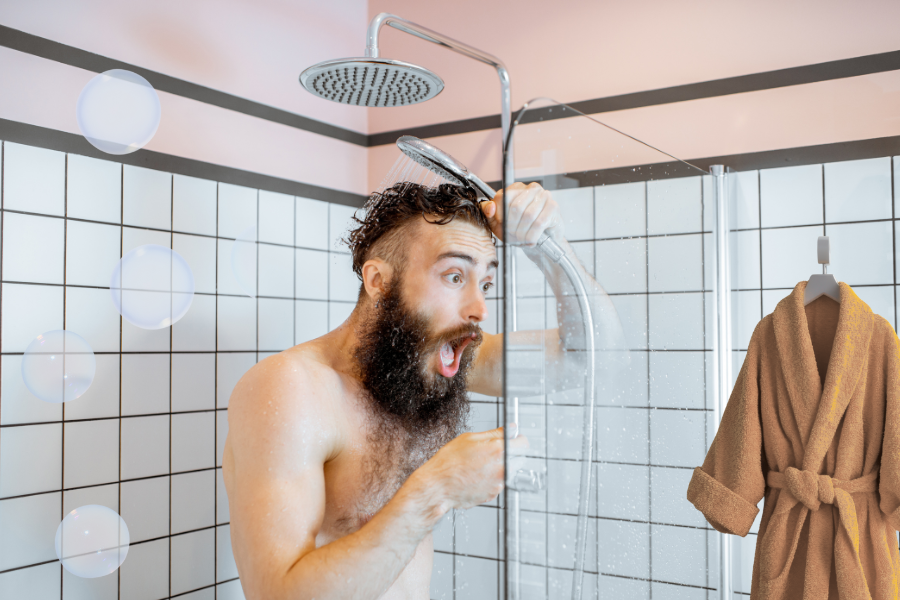
There’s nothing worse than stepping into a hot shower only to have the water turn icy cold after a few minutes. If your water heater runs out of hot water too quickly, you’re not alone. This is a common problem for homeowners, but you can often diagnose and possibly fix yourself.
Let’s explore the most common issues that can cause your water heater to stop delivering consistent hot water and tips to troubleshoot the problem. Don’t hesitate to contact CW Service Pros for expert water heater repair in Texas. Water Heater Repair & Installation 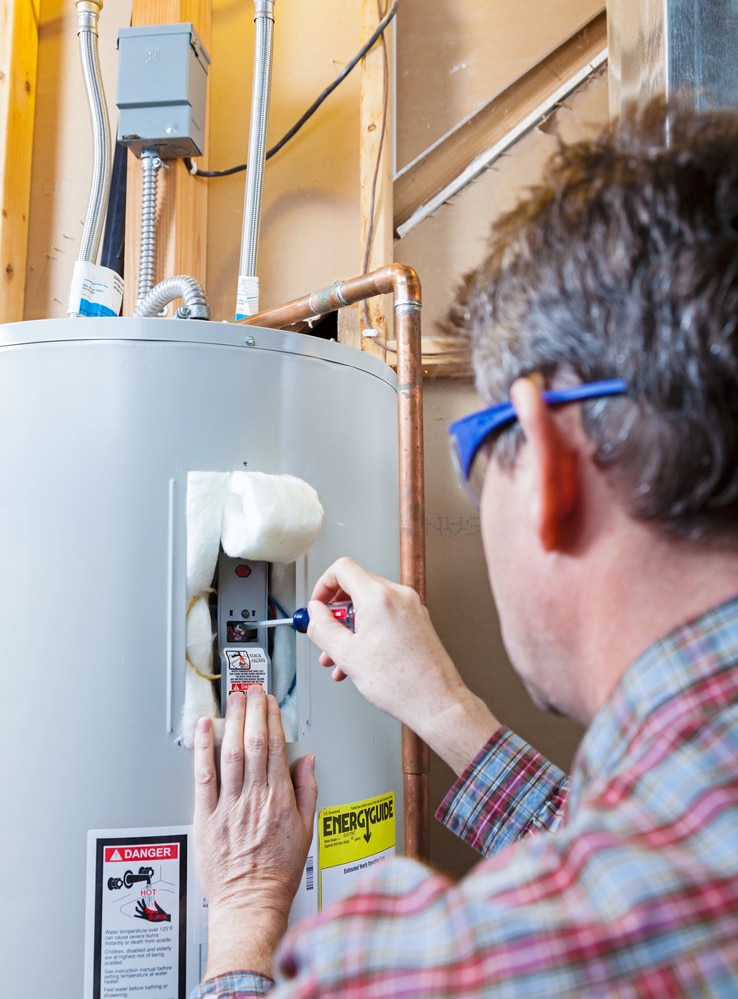

Sediment Build-Up in the Tank
Over time, sediment and minerals from hard water settle at the bottom of your water heater tank, especially if you have an older unit. This sediment can create a barrier between the heating element and the water, reducing the heater’s efficiency and capacity.
Tips to Fix Sediment Buildup in the Tank
Drain and flush your water heater at least once a year to remove sediment buildup.
If your heater is making a rumbling noise, that’s a sign it may need flushing.
A Faulty Heating Element (Electric Water Heaters)
Electric water heaters typically have two heating elements-one at the top and one at the bottom. If one fails, your heater will struggle to maintain hot water.
Tips to Fix a Faulty Heating Element
If your water gets warm but not hot, the lower element might fail. Testing or replacing a heating element may require a professional plumber to fix this issue.
A Broken Dip Tube Can Cause Your Hot Water to Run Out Too Quickly
The dip tube carries cold water to the bottom of the tank, where it heats up before flowing out. If this tube breaks, cold water mixes with hot water at the top of the tank instead of heating all the water in the tank, causing lukewarm showers that run out quickly.
Tips to Fix a Broken Dip Tube in the Water Heater
Start by checking for small pieces of plastic in your faucets or shower. These can indicate a disintegrating dip tube, which an experienced plumber in Texas can quickly replace, as long as the top of the heater has room to do so.
Thermostat Settings Are Too Low
Sometimes, the fix is as simple as turning up the thermostat. If your water isn’t hot enough, your thermostat may be set too low. Keep in mind that this is not a fix to a faulty unit.
How to Fix a Thermostat with Low Water Heating Settings
Set your water heater thermostat to 120°F for safe, consistent hot water. The thermostat may be faulty if you adjust the temperature and still get cold water.
Your Water Heater Is Too Small for Your Home
If your household has grown–there are more people, showers, and laundry-your current water heater might not keep up.
What to Do If Your Water Heat Is Too Small?
If you often run out of hot water during back-to-back showers, you may need a larger tank or consider upgrading to a tankless water heater for an endless hot water supply.
Tankless Water Heater Repair & Installation
Water Pressure and Water Heater Concerns
If you have questions about water pressure and your water heater, we have answers.
Why Am I Losing Water Pressure in My Shower?
Low water pressure in your shower could be due to a clogged showerhead, sediment buildup in your pipes, or an issue with your home’s pressure regulator. Cleaning the showerhead or checking your home’s valves can often improve pressure.
How Do I Fix Water Pressure Problems?
Start by cleaning aerators and showerheads. If the issue is widespread, check for leaks, ensure all valves are open, and inspect your pressure regulator. For persistent problems, call a professional plumber at CW Service Pros to assess your plumbing system.
Contact CW Service Pros
Are you still struggling with your water heater or water pressure? CW Service Pros is here to help. Our experienced plumbers can diagnose the issue and restore comfort by getting your family hot water. Contact CW Service Pros today for fast, reliable plumbing solutions!
Frequently Asked Questions
Why is my water heater suddenly providing shorter hot showers?
If your usage has not changed, a failed heating element, faulty thermostat, or damaged dip tube may be responsible. A professional inspection can identify the cause.
Can sediment buildup reduce the amount of available hot water?
Yes. Heavy mineral buildup can interfere with heat transfer and reduce usable tank capacity. Rumbling sounds may accompany buildup, although inspection is needed to confirm it.
How does a broken dip tube make hot water run out faster?
A damaged dip tube can release incoming cold water near the tank’s hot water outlet, cooling the supply before it reaches your faucets.
Can an electric water heater still produce hot water with one failed element?
Yes. Many electric tanks have two elements. If one fails, the working element may still heat some water, but available hot water can decrease.
Why does hot water run out faster when showers and laundry overlap?
Simultaneous use can consume stored hot water faster than the heater replaces it. Spacing out these activities may help an otherwise properly functioning tank keep up.
Does running out of hot water mean I need a replacement heater?
Not necessarily. A repairable component may be responsible. Replacement may suit an aging or undersized unit, depending on its condition, repair costs, and household demand.