



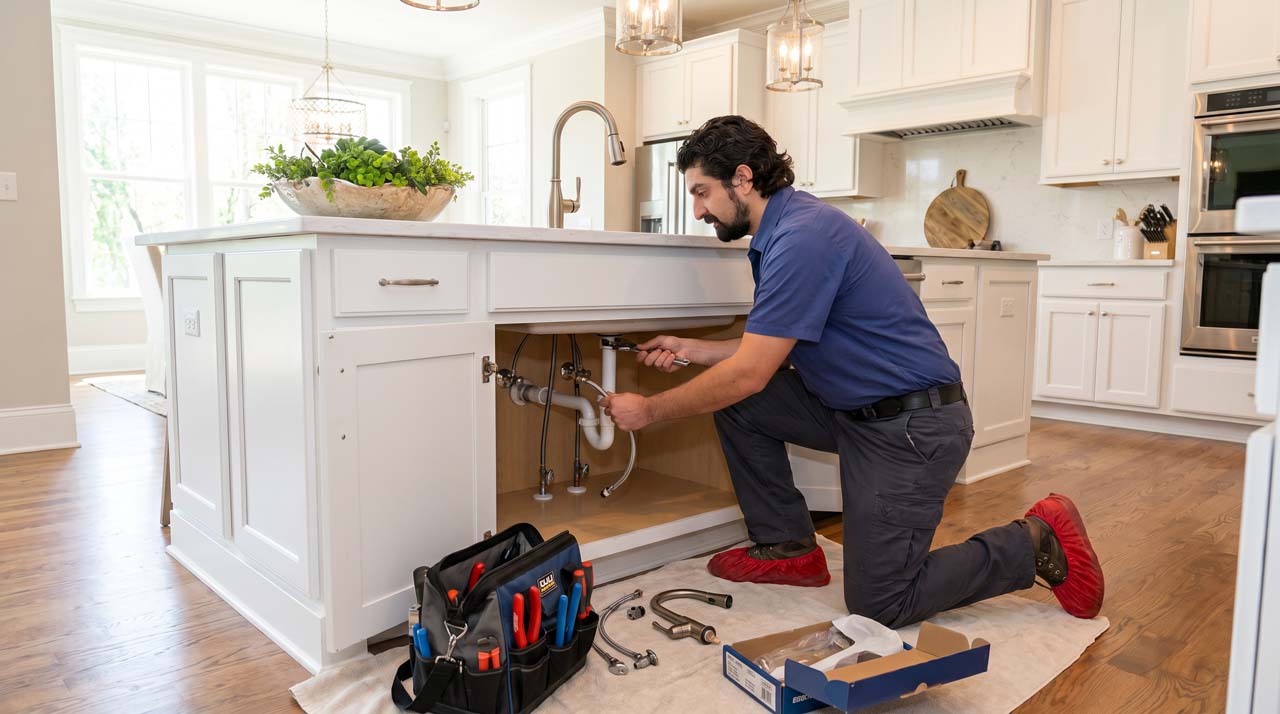
What is a Plumbing Emergency?
There’s a wide range of problems that can arise in your plumbing system. Faucets, sinks, toilets, and appliances can all develop issues that range from minor inconveniences to major problems. In most cases, it’s pretty easy to know if you have a plumbing emergency.
Major water damage: If you have a problem that requires you to turn off the water supply immediately to prevent damage, that’s an emergency. For instance, a burst pipe is an emergency, but a dripping faucet isn’t.
Sanitation issues: Any problem that poses a threat to your health or your home is an emergency. If a toilet is backing up and you smell sewage odors in the home, that’s an emergency. If the toilet cistern is running continuously but is otherwise working fine, that’s not an emergency, as it doesn’t constitute a health hazard.
In general, any situation that could result in large amounts of water damage, or cause a safety or sanitation problem, needs emergency attention. That could mean:
- Burst or broken pipe
- Broken sump pump
- Overflowing or backed-up toilet
- Sewer gas odors
- Water heater leak
- Natural gas or propane leak
- Any plumbing issue keeping compromising the safety of your family’s home or health.
What Doesn’t Count as a Plumbing Emergency?
For minor issues such as a leaky faucet, or a blocked showerhead or drain, it’s usually safe to wait until the next service day to call a plumber.
If your issue has caused slightly slow drain, but the water flow has stopped and isn’t causing more damage, then it’s probably okay to wait. For instance, if your dishwasher or washing machine flooded out your kitchen, that’s not necessarily an emergency. Just avoid using the appliance and call a plumber the next day.
What to do When You Have a Plumbing Emergency
Flood
If water is flooding your home, your first task is to locate your main water supply to turn off the water. Once this is taken care of, there will be some residual water remaining in the pipes. This should slow down quickly, and the pipes will be clear. Once you’ve turned off the water, call a plumber.
If you need help in shutting down your water, your city’s utility department or emergency services can typically help get your system turned off immediately and your CW technician will be on the way to fix the problem.

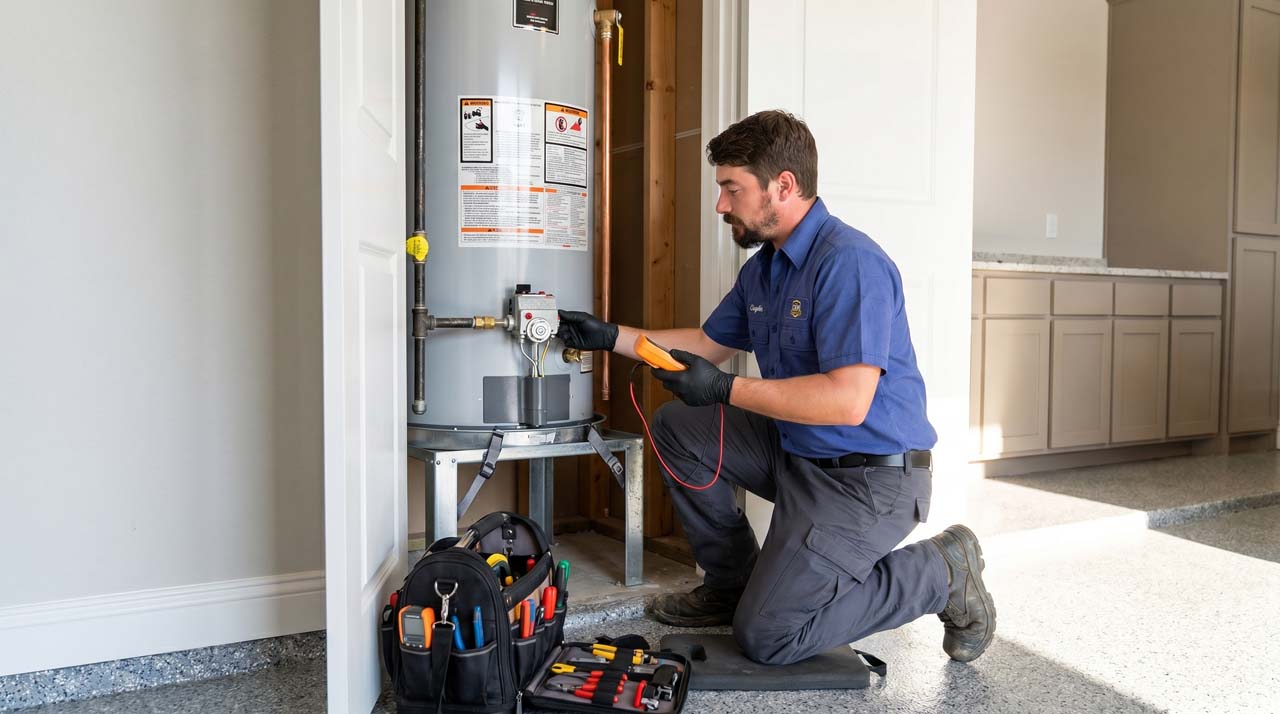
Gas Leak
Natural gas has an odor similar to that of rotten eggs. If you have a gas line in your home and you smell natural gas at any time, the safest thing to do is immediately evacuate. Don’t stop to turn off the gas, open windows, or make a phone call. Natural gas is toxic and flammable, and even the tiniest spark can start a combustion reaction.
Once everyone is safely outside, then call for help. You can call 911 emergency services, or call your gas company. After the gas has been switched off you can then call a local plumber. In the DFW area, call CW Service Pros and we’ll be at your home ASAP to find the source of the leak and fix it, to get your home back to normal.
Carbon Monoxide Alarm
If your carbon monoxide alarm goes off, treat the situation the same as a gas leak. Don’t stop to open windows or for any other reason—just evacuate the home, and once everyone is safely outside, call 911. Make sure to mention if anyone is unwell, with symptoms such as nausea, dizziness, headaches, or vomiting. Once emergency services have checked out your home and confirmed it’s safe, you can go back inside. It could be a good idea to have your plumbing or HVAC company come check out your furnace and/or water heater to confirm that it’s operating safely.
Know How to Do These Basic Tasks Before You Have a Plumbing Emergency
Some plumbing emergencies can cause major damage to your home. In the event of a flood due to a burst pipe or appliance failure, knowing how to turn your water off quickly could prevent thousands of dollars worth of damage to your home and possessions.
How to Turn off the Water Supply to a Faucet
- 1Locate the water shutoff valve for the faucet. This will be located underneath the sink for that faucet.
- 2Each sink has two valves: One on the left for the hot water, and one on the right for the cold water.
- 3When the valve is in the ON position, the handle runs parallel to the pipe. To shut the valve OFF, turn the handle so that it’s perpendicular to the pipe.
- 4To shut off the water, shut off both valves so that both hot and cold water stop flowing from the faucet.
How to Turn off the Water Supply to a Toilet
- 1Find the shutoff valve for the toilet. This should be located behind the toilet, on the wall near the base.
- 2Turn the valve clockwise until you can’t turn it anymore to close the valve.
- 3To open the valve and restore the water supply, turn the valve counterclockwise.
How to Turn off Your Water Supply at the Mains
- 1Tools you’ll need are a water turn-off wrench and a meter lid key.
- 2First, locate the water mains. This should be somewhere on the curb outside your home. It’ll be covered with a square or circular cover.
- 3Insert the meter key into the hole on the cover and turn it around 90 degrees counterclockwise, then pull to lift the cover.
- 4Locate the water shutoff valve. It should be marked with an arrow or something similar that designates the ON position. When the valve is open the handle is parallel to the pipe.
- 5Place the water shutoff wrench onto the valve, then turn 180 degrees clockwise.
- 6Verify that your water is turned off, then replace the lid. Be sure to avoid pinching any of the wires on the lid when you close it.
- 7Once your plumbing issue is taken care of, reverse the above steps to turn your water back on.
How to Shut Off the Gas Supply to Your Water Heater
- 1Find your water heater. If you’re not sure where it is, check out-of-the-way locations such as storage cupboards, the garage, or attic.
- 2For most water heaters, the gas pipe and shutoff valve are located near the base of the tank. So first, clear any items away from the base of your hot water tank. Make sure this area stays free of clutter so that it’s easy to access in the future.
- 3Locate the gas pipe that feeds your hot water tank.
- 4Find the shutoff valve on the gas pipe. This is typically installed on the pipe itself.
- 5If you can’t find the shutoff valve on the pipe, follow the pipe away from the tank until you find the valve. If it’s not near the tank it’ll most likely be on a nearby wall.
- 6Once you’ve located the valve rotate it 90 degrees to turn it off. In the ON position, the valve handle should be parallel to the pipe. Once it’s OFF, it should be perpendicular.
- 7Depending on the model of gas hot water tank you have there might be two valves located near each other. Make sure to turn both to the OFF position.
How to Shut Down Your Water Heater
- 1If you have a gas water heater, turn the gas knob to the PILOT setting. Then follow the steps above to shut off the gas valve.
- 2Locate the water supply valve. This is usually located at the top of the tank. Turn the water shutoff valve to the OFF position to cut off the water supply.
- 3Connect a hose to the drain valve at the bottom of the tank.
- 4Locate the pressure relief valve and pull it up into the OPEN position. This valve should be located on the side of the tank, near the top.
- 5This will allow you to drain the tank so it’s ready for sediment removal, repair or replacement, or anything else.
How to Shut Off Your Gas at the Meter
- 1Locate your gas main supply valve. This should be located somewhere outside your home. Typically, it’ll be located against a wall.
- 2Make sure it’s easy to access by trimming away any shrubs or trees growing nearby.
- 3Depending on the kind of gas valve on your gas main supply, you may need a tool such as a crescent or pipe wrench to turn the valve.
- 4When the gas valve is ON the valve handle is parallel to the pipe. To turn the valve OFF and cut off the gas supply, turn the valve handle so that it’s perpendicular to the pipe.