
Video: How to Remove Drip Marks on the Bathroom Walls
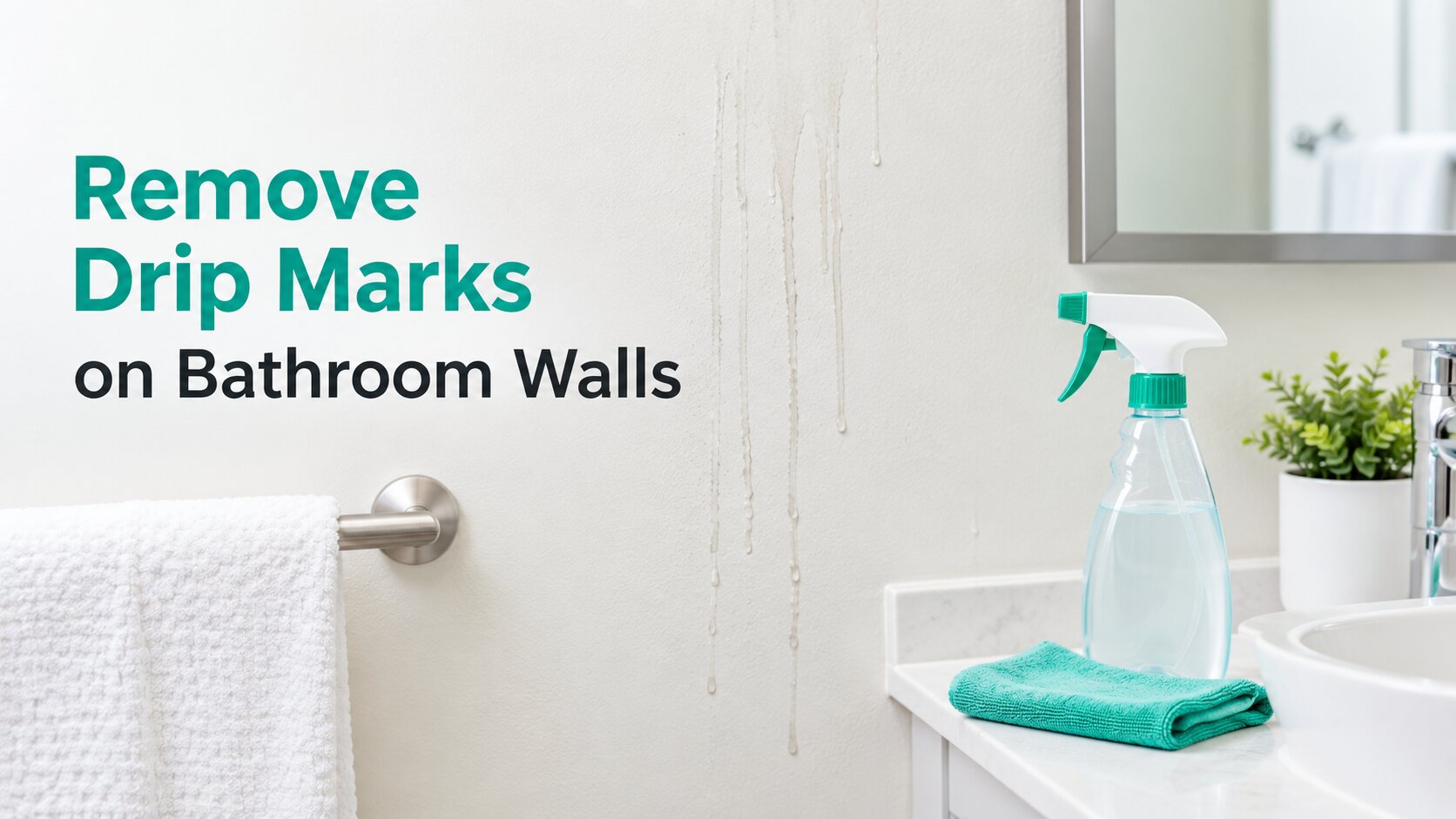
Drip marks on your bathroom walls can occur for many reasons, even from something as simple as the water splashing on the wall when you are washing your hands. Removing water drips from the walls in your bathroom is easy. Use a glass cleaner on the surface, then take a textured sponge and lightly scrub the area. Next rinse off the sponge and wipe remaining cleaner off the surface. For marks that are more stubborn, use a more aggressive cleaner like soft scrub. Make sure you wipe the area daily to keep the buildup of soap scum down and your bathroom walls bright.
Read the full article here:
Video: How to Remove Drip Marks on the Bathroom Walls | eHow.com
What Causes Drip Marks on Bathroom Walls?
Everyday Water Splashes
Water splashing from a sink or shower can leave visible trails as it dries. Check whether the marks are close to fixtures and appear after normal bathroom use.
Condensation and Excess Moisture
Steam can condense on cooler surfaces and run down the wall. If streaks appear after showers, improving moisture control should be part of the solution. Cleaning alone will not address an ongoing humidity problem.
Residue From Paint
Sticky, glossy, tan, or brown streaks can result from surfactant leaching. This happens when water-soluble ingredients in latex paint collect on the surface, particularly in damp conditions. The marks may require repeated gentle cleaning.
Their appearance alone does not establish the cause, so persistent dampness still deserves investigation.
A Possible Plumbing Leak
A stain that grows, stays damp between showers, or appears alongside peeling paint deserves closer attention. If you suspect water is escaping from a pipe or fixture, arrange an inspection before repainting or covering the area.
How to Clean Drip Marks on Painted Bathroom Walls
1. Check the Paint Finish
Follow the paint manufacturer’s care instructions. Flat and matte finishes generally need a lighter touch than higher-sheen finishes. Let newly painted walls cure before routine washing.
2. Prepare the Area and Test First
Protect the floor with towels and gently remove loose dust. Test your cleaning method in a hidden spot, then let it dry to check for color or sheen changes.
3. Start With Warm Water
Use a soft cloth or nonabrasive sponge dampened with warm water. Wring it out thoroughly and wipe gently without soaking the wall.
4. Add Mild Soap if Needed
If water is ineffective, try warm water with mild dish soap. Work in small sections from the bottom upward to limit fresh cleaning streaks. Remove residue with a separate damp cloth.
5. Dry and Inspect the Surface
Dry with a soft towel. If paint transfers, the finish changes, or the stain remains, stop and seek product-specific advice. Avoid glass cleaner and aggressive scrubbing on painted walls.
For tile or other wall materials, follow the surface manufacturer’s cleaning guidance instead.
How to Help Prevent Bathroom Wall Streaks
Use the Bathroom Exhaust Fan
Run a properly functioning exhaust fan during showers and afterward to help remove moisture. If the room remains damp, have the ventilation assessed rather than assuming a running fan is working effectively.
Monitor Indoor Humidity
The EPA recommends keeping indoor relative humidity below 60%, ideally between 30% and 50%. A humidity monitor can help you identify recurring moisture problems.
Address Water Problems Promptly
Check for recurring drips around fixtures and arrange repairs when needed. Dry wet areas promptly and investigate persistent dampness instead of repeatedly cleaning the same stain.
Prepare Properly Before Repainting
If you need to repaint, resolve moisture problems first and follow the coating manufacturer’s preparation and curing instructions. Painting over surfactant residue can interfere with the new paint’s adhesion.
Frequently Asked Questions
Why do drip marks keep coming back?
Recurring marks may reflect ongoing condensation, repeated splashes, paint residue, or a leak. Note when they appear and whether the wall dries between bathroom uses. This information can help guide the next step.
Are brown streaks always mold?
No. Brown or sticky streaks can come from paint residue. Color alone cannot reliably identify mold or rule out a moisture problem.
Can I use glass cleaner on painted bathroom walls?
Avoid it. Start with water and follow the paint manufacturer’s cleaning instructions.
Should I paint over the marks?
Clean and assess the surface first. Fix leaks or excess moisture, and let the wall dry before preparing it for repainting. If mold is present, address it before painting.
When should I call a plumber?
Arrange an inspection if staining spreads, dampness persists between showers, or you notice water escaping from a fixture or suspected pipe location. Surface cleaning cannot repair a leak.
Conclusion
Removing drip marks starts with identifying their likely cause and choosing a cleaning method suited to the wall finish. Gentle cleaning may improve surface streaks, while ventilation and moisture control help reduce recurrence. Investigate persistent dampness before cosmetic repairs. If recurring wall stains suggest a plumbing problem, contact CW Service Pros to schedule a leak inspection. Call 972-395-2597 or request service online to discuss your next step.