How to Read Your Water Quality Report
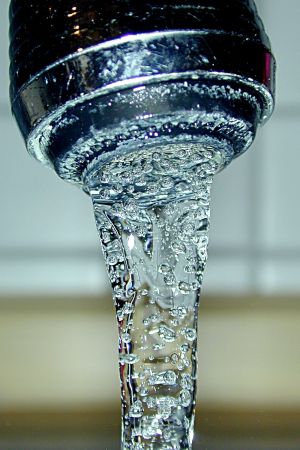
With the summer months and rising temperatures drawing near, people will be making their way to the water tap and taking back more water to cool down. It is important to be educated and know what it is in your drinking water. In 2002, at least 5 percent of the U.S. population was affected by drinking water that didn’t meat base health standards. To inform communities about their water supply, utilities distribute an annual water report that details the source of the water and if any contaminants were found in it.
Key Legislation
In 1996, the U.S. Congress amended sections of the Safe Drinking Water Act of 1976, making it a requirement for utility companies to notify public of any detected contaminants or water-quality violations in their drinking water. The centerpiece of those amendments was the annual Water Quality Report.
Detailing a water report
A Water Quality Report, or also called a Consumer Confidence Report, informs the community as to what contaminants, if any, are in their drinking water. The report lists all detected toxicants in the water over the previous year. Water reports are available for every customer of a community water system who provides year-round service to more than 15 households or 25 people. The reports are to be distributed by July 1 annually.
What the report must contain
An annual water report must contain several key pieces of information to ensure the public is informed as to what’s in their drinking water.
- Source of the water
- A summary of the state, source water assessment of the waters susceptibility to contamination.
- EPA regulations and health goals for water contaminants.
- A list of all contaminant’s and their levels.
- Potential health effects of detected toxins at levels that violate the Environmental Protection Agencies (EPA) health standards.
- Statement for people with weakened immune systems.
- Contact information for water systems and EPA, Safe Drinking Water hotline.
Why is it important?
A water system should notify the public when a toxin is detected in its drinking water, and also include all detected toxins in its annual report. It is important to not drink water that is contaminated or violates EPA health standards. A second key aspect to the report is that it lists all detected contaminants. The EPA sets the maximum level on contaminants – the MCL – it will allow in drinking water. This level is based on the filtering and treatment capabilities of technology. The reports details the potentially harmful substances found in the water below their legal limit. For those who do not receive water bills on a regular basis – renters, workers – there should be different outreach programs to notify the health standards of the water supply. For more information, visit www.epa.gov/safewater/ccr/.
Find the Correct Report Before Reading the Results
Start with the water supplier named on your bill. Your mailing address alone may not identify the system serving your property. Search the supplier’s official website for its Consumer Confidence Report and confirm the reporting year. If you rent and do not receive a water bill, ask the property manager which supplier serves the building.
Check the dates beside individual results as well. A report may include certain monitoring results from an earlier sampling period. If you cannot find the report or understand a date, contact the supplier using the details provided.
Read One Result at a Time
Choose one row and identify the substance, measurement units, sampling date, reported result, and applicable standard. Compare values only when the units match. Next, read the violation column and accompanying explanation. Some results represent averages or other compliance calculations, so a range alone may not tell you whether a violation occurred.
A detection is a reason to understand the result, rather than automatically conclude the water is unsafe. If the meaning remains unclear, ask the supplier what the number represents, how compliance was assessed, and whether any action is recommended for customers.
Does the Report Mean You Need a Water Filter?
A report should help identify questions before you select treatment equipment. Decide which specific issue you want to address, then consider whether additional testing is needed. If choosing a filter, check certification for the particular contaminant-reduction claim. A certification logo does not mean the product removes every contaminant. Follow replacement and maintenance instructions as well.
FAQs
Where can I find my water quality report?
Check your water supplier’s official website or contact its customer-service team. You can also use EPA’s report-finding resource. Renters can ask their property manager to identify the supplier.
Does a detected contaminant mean my water is unsafe?
Not automatically. Read the concentration, applicable standard, units, and violation explanation together. Ask your supplier about unclear results and follow any current drinking-water advisory.
What is the difference between MCL and MCLG?
MCL is an enforceable contaminant limit. MCLG is a non-enforceable health goal. They may differ because enforceable standards also account for treatment feasibility and statutory requirements.
Does the report show the exact water quality at my faucet?
It summarizes the water system’s monitoring results rather than testing every household tap. Conditions within individual properties may require separate investigation. Ask your supplier whether your concern warrants targeted sampling.
Do private wells receive Consumer Confidence Reports?
Private wells do not receive the community-water-system CCR in the same way. Well owners need a separate testing and maintenance approach appropriate to their water source.
Should I buy a filter after reading my report?
Only after identifying what you want to address. Compare treatment options and check the exact certified reduction claims. No single filter should be assumed to remove every possible contaminant.
Conclusion:
Reading a water quality report becomes easier when you understand the dates, units, standards, and explanatory notes. Start with your supplier’s latest report, review any violations, and ask questions about unclear results. Use that information to guide further testing or treatment decisions, while continuing to follow current notices from your water supplier.
Discuss Your Home’s Water Filtration Options
Have questions about filtration after reviewing your water quality report? Contact CW Service Pros to discuss available home treatment options and installation requirements. Call 972-395-2597 or submit an online request. For questions about reported results or active advisories, contact your water supplier directly.