
How to Prevent Mold Growth in Your Home
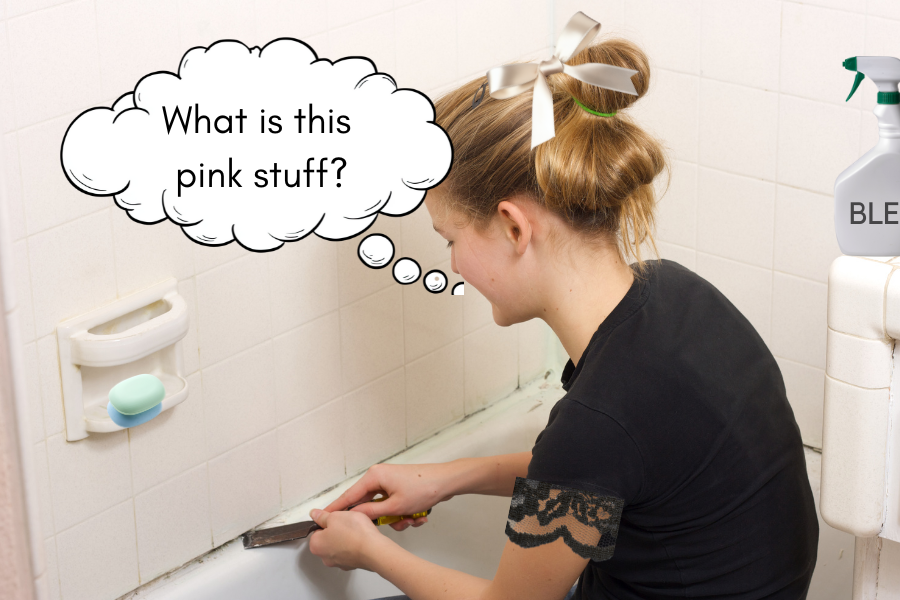
Hazardous to your health and difficult (not to mention expensive) to eliminate completely, mold is one of the hardest home problems to tackle. While you may be inclined to think your home is safe so long as you haven’t endured flooding, the truth is mold can also have far less dramatic beginnings. Fortunately, taking a few simple steps can help keep your home free of mold.
Monitor Humidity
Since mold thrives in humidity, it is essential to keep track of the level of moisture in your home. You can do so by purchasing an indoor humidity monitor, which is available in various price ranges. Ideally your home’s humidity should fall between 30 and 50 percent, as mold tends to begin growing when humidity reaches or exceeds 70 percent.
Ventilate and Circulate
Certain areas of the home are hot spots for moisture, such as the bathroom, laundry room, and mud rooms. While most new homes have built-in ventilation systems, for those that don’t it is important to make sure that humidity and moisture isn’t building up by using a dehumidifier. While dehumidifiers are great at removing moisture from the air, they aren’t necessarily a perfect solution, since moisture can condense around windows, doors, and floors on its way out. That’s why it’s also important to thoroughly circulate your home. You can improve your home’s airflow by turning on the fans or by keeping the windows or doors open. All of these are good strategies for reducing the possibility of mold.
Temperature Control
Mold requires heat in addition to moisture in order to grow, so regulating the temperature of your home will also protect against the proliferation of mold. During the hot summer months, an effective air conditioner can go a long way to help bring down the temperature in your house–just be careful not to set the temperature too high or excess water may build up around the vents.
Keep Things Dry
Wet clothing is a leading culprit of mold growth, as mold thrives on organic substances like cotton. For that reason, never leave your wash sitting in the laundry machine for long periods of time, especially if the area is warm. Even hanging clothes to dry indoors can increase the humidity and the potential for mold, so you should make sure to ventilate and circulate the air if you are planning to do so. Additionally, if your home has recently suffered from flooding or any other form of water damage, you should seek a professional plumber immediately, as mold will otherwise eventually spread.
FAQs
What indoor humidity should I aim for to discourage mold?
CDC recommends keeping humidity no higher than 50% throughout the day. Use a humidity meter and investigate damp surfaces even when the room reading appears acceptable.
Can mold grow without a flood?
Yes. Plumbing leaks, condensation, and other persistent moisture sources can support growth. Preventing mold depends on identifying and correcting moisture problems.
How quickly should water-damaged materials be dried?
Act promptly. EPA recommends drying affected areas and items within 24–48 hours to help prevent growth. Extensive or contaminated-water damage may require professional help.
Will a dehumidifier fix a plumbing leak?
No. It may help reduce airborne moisture, but the leak still requires repair. Wet materials may also need separate drying or replacement.
Should I run the AC if I suspect mold inside the HVAC system?
EPA advises against running an HVAC system known or suspected to be contaminated with mold because it could spread contamination. Arrange an appropriate assessment.
Why does mold return after cleaning?
The underlying moisture problem may remain unresolved. Cleaning alone is unlikely to provide a lasting result if the affected area continues to become wet.