How to get prepared for upcoming freezing temperatures in Dallas

If you’ve lived in North Texas for several years, you know that fall weather can be very short and winter weather can approach fast. One week it’s 68° and sunny. The next week Lewisville, Carrollton, Plano, and Flower Mound are covered in ice with everyone stuck inside because of impassable road conditions.
When winter storms hit Denton County and Collin County, a little preparation can mean the difference between a minor inconvenience and major damage to your home.
Here’s a checklist to help you get ready.
How to Prepare Your Home for a Winter Storm in North Texas
1. Protect Your Plumbing (Frozen Pipes Are No Joke)
In the Dallas area, homes aren’t built like they are up north. Most of the time we don’t have basements and the pipes that come into our homes aren’t buried as deeply as the ones up north. That means pipes in attics, exterior walls, and exposed hose bibs are vulnerable to freezing and bursting when temperatures drop below freezing.
Before the Freeze:
- Outdoor Faucets-Remove hoses from outdoor faucets. Drain hoses and store them in the garage. Then, cover the outdoor faucet with insulated faucet covers. If those are sold out, you can duct tape several towels around the faucet to help insulate them and keep the wind and ice from them. Moving air strips heat away faster so keeping them covered helps protect them from freezing.
- Insulate exposed pipes
Garage walls, attic spaces, and exterior walls are common problem areas. If you can see piping, insulate it. If possible, try to keep the temperature in those areas above freezing. - Locate your main water shut-off valve outside and at your water heater
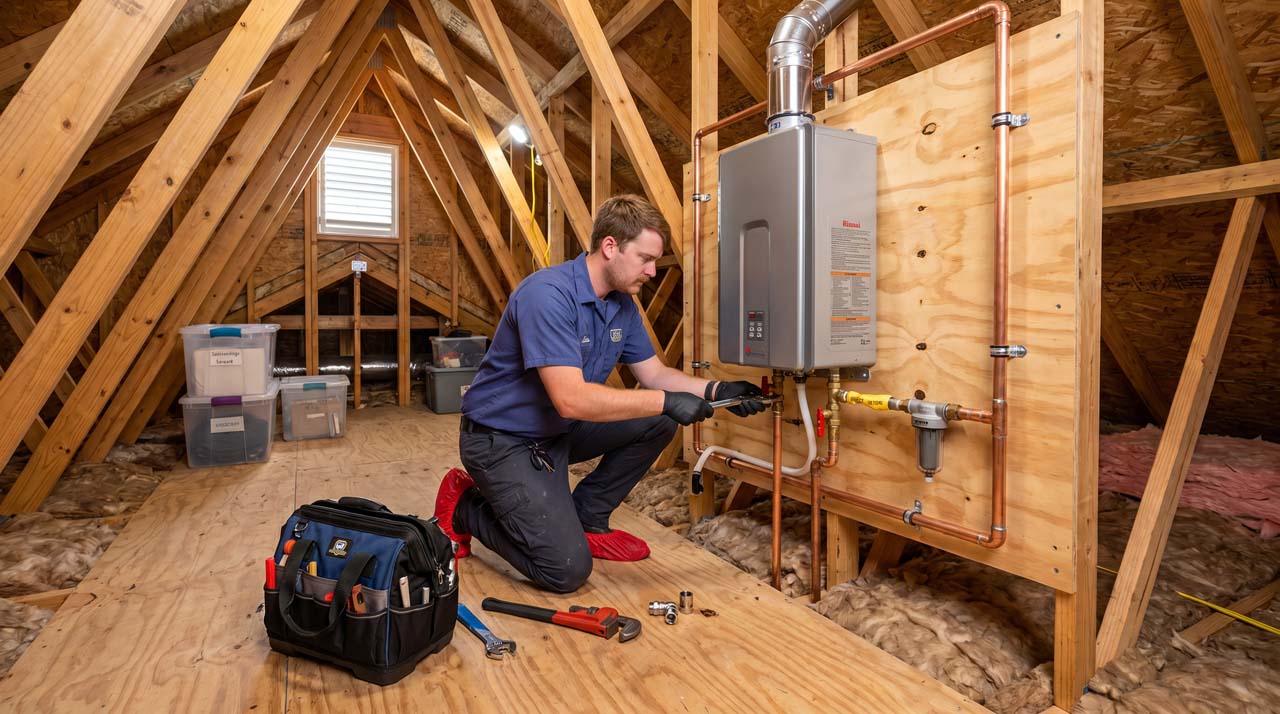
If a pipe bursts, you’ll want to shut the water off immediately. Make sure everyone in the household knows where it is and how to shut it off. If you lose hot water from all your fixtures, shutting off the heater can prevent damage to your home when the pipe thaws. - Test your generator
Make sure the generator is charged or filled with fuel if required by your unit.
- Stock up on Emergency Supplies
Beat the H.E.B. rush and get these items together early before the shelves are empty.
- Bottled water (at least 1 gallon per person per day for 3 days)
- Non-perishable food
- Flashlights and extra batteries
- Portable phone chargers and power banks
- Blankets
- First aid kit
- Prescription medications
- Pet food and supplies
- Ice melt, salt, or sand (for walkways and driveways)
- A battery-powered weather radio to listen to local weather alerts
- Dry firewood if you have a fireplace or fire pit
During Freezing Temperatures:
- Let faucets drip slowly
A steady drip (only on exterior-wall fixtures) helps relieve pressure, allows heat into the pipe, and reduces the chance of bursting. This can be a shower, tub, or faucet. - Get heat to pipes in walls and exposed areas
Open cabinet doors under sinks and heat areas in your home that are colder. This allows warm air to circulate around pipes.
- Keep your thermostat consistent
Don’t turn it way down at night. In North Texas, consistency is better than fluctuation during a freeze. - If you lose power
Shut off your main water supply outside and at the water heater if interior temperatures drop below 55°F and you cannot maintain heat.
Prepare Your Furnace and Heating System
Your furnace will be working overtime during a North Texas freeze.
Before the Freeze:
- Replace your air filter
Restricted airflow can cause your system to overheat or shut down. - Test your heater now
Don’t wait until the first hard freeze to find out it’s not working. - Clear around outdoor units
Remove debris to ensure proper airflow. - Check your carbon monoxide detectors
If you use gas heat, safety is critical.
During the Storm:
- Don’t run emergency heat unnecessarily
If you have a heat pump, emergency heat uses much more energy. Only use it if the system can’t maintain temperature. - Avoid space heater overloads
Plug space heaters directly into wall outlets — NEVER into extension cords. Be sure they are not placed in areas where they can catch fire (ie. near curtains, bedding furniture, rugs, on high-pile carpet, or used in wet areas like bathrooms) - If your system stops heating
Check breakers, thermostat settings, and air filters before calling for service. During widespread freezes, service demand is extremely high across Lewisville, Plano, and surrounding Metroplex cities. Also, icy roads can make it impossible to get service to you quickly.

Protect Your Home’s Interior
- Seal drafts around doors and windows.
- Close and insulate garage doors.
- Know where your electrical panel is.
- Keep vehicles fueled in case you need to leave.
- Have towels available should a pipe freeze.
After the Storm
When temperatures begin to rise:
- Turn faucets that were running off. Inspect them periodically to verify they are not starting to freeze when turned off.
- Inspect visible piping for cracks and leaks.
- Check ceilings, attics, and garages for signs of leaks.
- Listen for running water when nothing is turned on.
If you suspect a burst pipe:
- Shut off your main water supply.
- Turn off electricity to affected areas if any water is standing in the area.
- Call a professional from CW Service Pros Plumbing, Heating & Air Conditioning immediately.
Final Advise to North Texas Homeowners for Winterization and Winter Storm Preparations
In Lewisville, Carrollton, Plano, Flower Mound, and throughout Denton and Collin Counties, winter storms are usually short-lived — but the damage they cause can be extensive and long lasting. An ounce of prevention is worth a pound of cure…especially when the weather turns exceptionally cold. A little preparation can prevent flooded homes, major pipe repairs, heating breakdowns, and costly and inconvenient emergency service calls.
North Texas winters don’t give much warning. Take an hour today to prepare your home and protect your family. North Texas…Stay warm and stay safe.
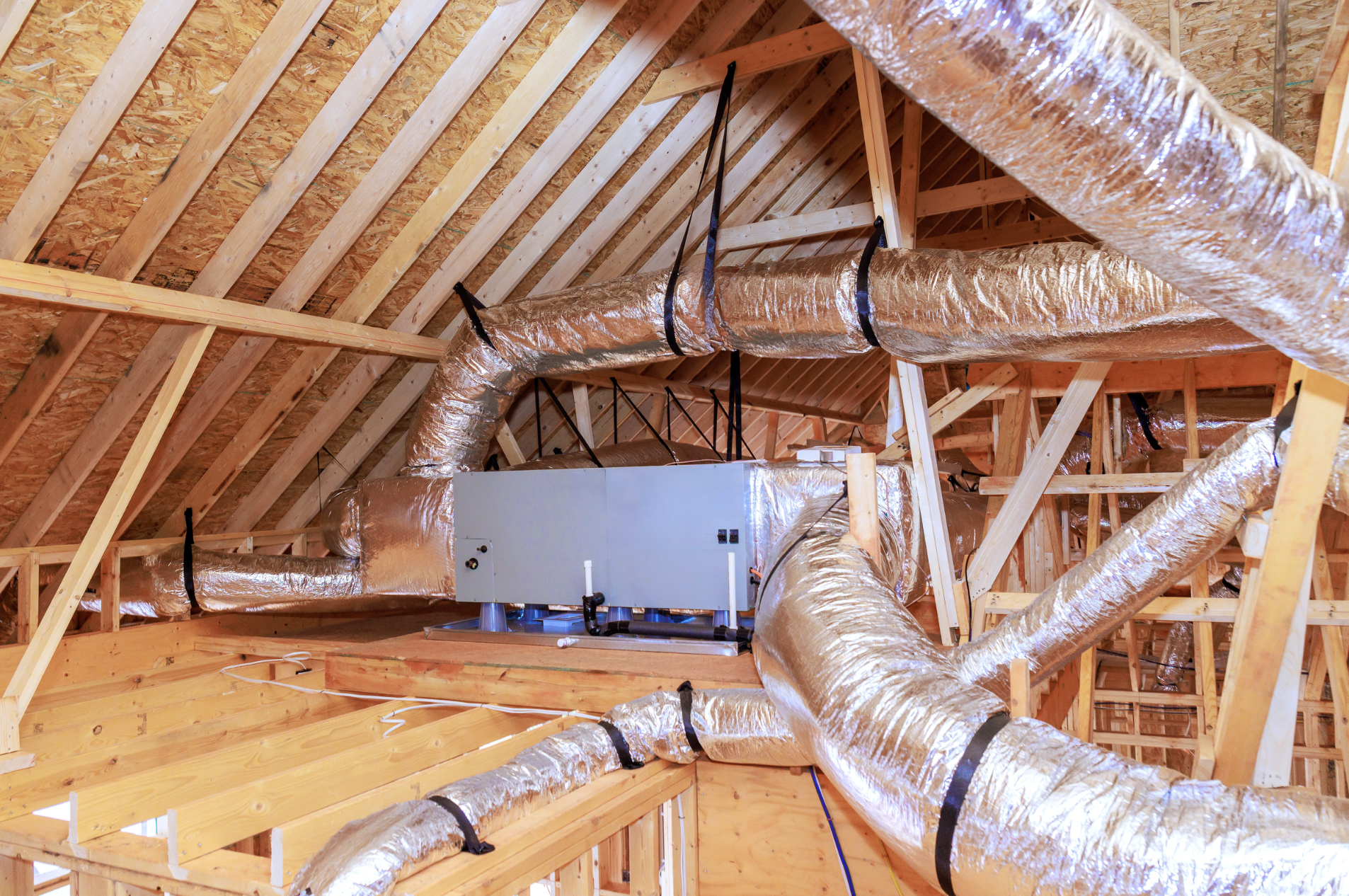
Blown-in insulation covering attic floor joists with HVAC ductwork above in a North Texas home.
FAQs
Should I drip hot or cold water during a Dallas freeze?
Dallas Water Utilities recommends slowly dripping both hot and cold water from indoor faucets during a hard freeze. Follow current instructions from your own water provider, particularly if you live outside Dallas or water-use restrictions apply.
Should I drip my outdoor faucets?
Texas Department of Insurance guidance recommends insulating outdoor faucets rather than dripping them. Disconnect garden hoses beforehand and use suitable faucet covers to help reduce heat loss.
What temperature should I leave my thermostat at when away?
The American Red Cross recommends leaving the heat on at no lower than 55°F during cold-weather absences. This does not guarantee protection for exposed pipes, so arrange additional winterization appropriate to your home and local guidance.
Should I switch my heat pump to emergency heat during a freeze?
Cold weather alone does not mean you should select emergency heat. A working heat pump may use auxiliary heat automatically. Follow your equipment instructions and seek service if the heat pump fails or cannot heat the home properly.
What should I do if a faucet stops flowing during freezing weather?
A frozen pipe is one possible cause. Check whether other fixtures are affected and contact a plumber if the frozen section is inaccessible or uncertain. Never use an open flame to thaw a pipe. If you discover a leak, shut off the main water supply if safely accessible.
Can I run a generator in my garage with the door open?
No. Fuel-powered portable generators must operate outdoors, at least 20 feet from doors, windows, and vents. An open garage door does not make indoor generator use safe.