
Diagnosing and Repairing Your Leaks in Lewisville, TX

A plumbing leak is not always easy to locate. Water may appear beneath a sink, stain a ceiling, or collect near a wall while the damaged connection sits somewhere else. An unexplained increase in water use can also raise concerns when no moisture is visible. Understanding where the problem begins helps determine which repair makes sense.
Plumbing leak diagnosis starts with identifying the affected system and narrowing down possible sources. For Lewisville homeowners, this means looking beyond the visible damage and arranging appropriate testing before opening walls, removing flooring, or replacing pipes. A clear diagnosis provides a stronger basis for planning repairs and understanding the work involved.
Start by Identifying the Type of Plumbing Problem
Household plumbing includes pressurized water lines that deliver water and drainage pipes that carry wastewater away. Problems in these systems can produce different symptoms and require different investigation methods.
A water-supply leak may continue while the affected pipe remains pressurized. A drainage leak may become noticeable when someone uses a sink, shower, washing machine, or toilet. However, the pattern alone does not confirm the source.
A running toilet introduces another possibility. Water can escape from the tank into the bowl without reaching the floor. This internal loss can increase consumption while leaving the surrounding area dry. Checking accessible fixtures helps establish whether further investigation is needed.
Gather Useful Information Before the Visit
You do not need to diagnose the leak yourself. Your observations can still help a plumber understand when the problem occurs and where to begin.
Before requesting service, note:
- Where you first noticed moisture or staining.
- Whether the area becomes wetter during fixture use.
- Whether hot water, cold water, or drainage appears involved.
- Any recent plumbing work or appliance installation.
- Changes in water consumption shown on your bill.
- Whether the issue affects one fixture or several rooms.
Photograph visible damage and record when it appeared. Move belongings away from moisture when safe, but avoid disturbing damaged materials or dismantling plumbing simply to investigate. Conditions may change before the appointment, making your notes particularly useful.

What a Water Meter Check Can Tell You
A water meter can help identify unexplained water use. Compare readings during a period when nobody uses water, accounting for irrigation, ice makers, washing machines, and other equipment that may operate automatically.
If the reading changes, water is passing through the metered system. That finding can justify further investigation, but it does not reveal which pipe or fixture is responsible. A toilet leak, irrigation problem, or concealed supply leak could produce unexplained consumption.
A meter check also has limits. It does not rule out a drainage leak, since wastewater can escape after water has already passed through a fixture. Share the findings with your plumber rather than treating them as a complete diagnosis.
How a Plumber Narrows Down the Source
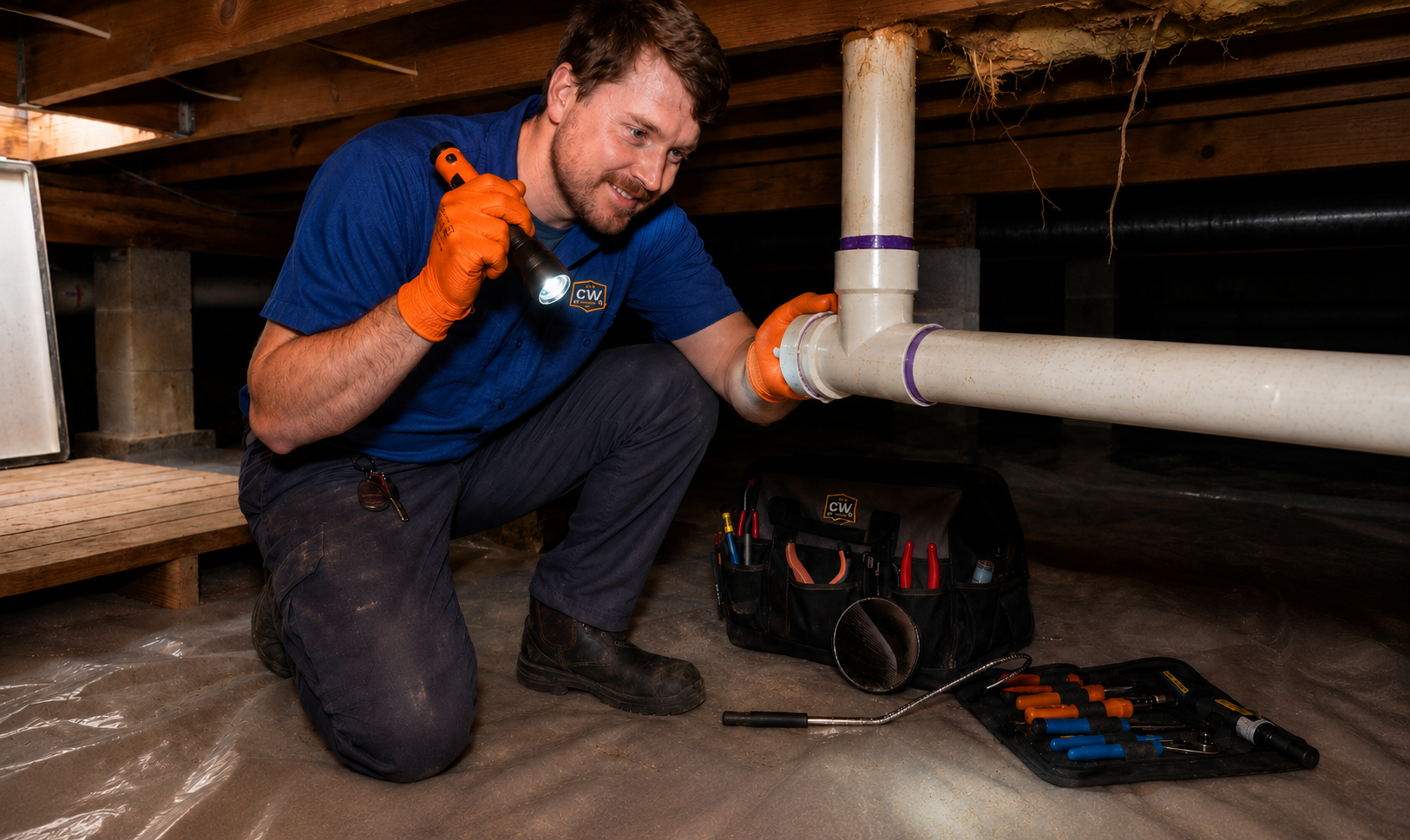
A professional assessment typically begins with the reported symptoms and an inspection of accessible plumbing. The plumber may examine fixture connections, supply hoses, shutoff valves, drain joints, and areas showing moisture.
The next steps depend on what those observations suggest. Some problems can be traced directly to a visible connection. Others require isolating sections of the system or using specialized testing equipment.
Ask what each proposed test is intended to establish. You should understand whether the plumber is checking for unexplained water loss, investigating drainage defects, or narrowing down a concealed source. Different tools answer different questions, and one method may not provide every answer.
Understanding the Role of Detection Equipment
Leak-detection equipment can guide an investigation, but its usefulness depends on the pipe, access, surrounding materials, and conditions.
Acoustic equipment may help a technician investigate sounds associated with escaping water. Moisture measurements can help assess affected materials. Thermal imaging may reveal temperature differences that warrant closer inspection, but those patterns need interpretation and confirmation.
A sewer camera serves a different purpose. It allows inspection inside accessible drainage piping and may reveal obstructions or visible defects. It does not inspect pressurized water lines.
Your plumber should explain which methods suit the suspected problem and what limitations remain. Additional access may still be necessary to confirm findings or complete repairs.
When the Suspected Leak Is Beneath the Slab
Moisture near flooring or unexplained water use may lead to an under-slab investigation. These observations do not automatically establish that the foundation contains a leaking pipe.
Before recommending an access method, the plumber should determine which system is affected and gather evidence about the location. Repair planning may involve direct access, rerouting, or another suitable approach based on the findings.
Ask how the proposed work affects flooring, concrete, cabinets, or landscaping. Plumbing repair and restoration may involve separate scopes or contractors. Understanding those responsibilities helps you compare estimates and prepare for disruption without assuming every associated repair is included.
How Diagnosis Shapes the Repair Decision
A repair recommendation should address the confirmed problem and account for the condition of surrounding components. An isolated failed connection may require a different approach from repeated failures along deteriorated piping.
Before approving work, request an explanation of:
- What the investigation confirmed.
- Which components need repair or replacement.
- Whether further investigation is necessary.
- What access and restoration work are included.
- How additional findings will be handled.
- How the completed repair will be checked.
CW Service Pros can discuss the findings and proposed plumbing work with Lewisville homeowners. Ask questions until you understand the recommendation, available alternatives, and limitations of the estimate.
Know When to Stop Investigating
For an active water-supply leak, stop using the affected fixture and close its shutoff valve if safely accessible. An uncontrolled leak may require isolating the home’s supply. Avoid wet electrical equipment and unsafe areas.
A suspected natural gas leak requires immediate emergency action. Leave the area, then call 911 and your gas utility from a safe location. Do not operate switches, use flames, or attempt repairs. Wait for emergency responders or the utility to authorize re-entry. Atmos Energy provides this emergency guidance.
FAQs
What happens during a plumbing leak diagnosis?
The plumber reviews your observations, checks accessible plumbing, and selects tests suited to the suspected system. The goal is to identify the source and extent of the problem before recommending repair.
Does a high water bill prove I have a hidden pipe leak?
No. Increased use, irrigation, running toilets, and other causes can raise consumption. Review the usage shown on your bill and check accessible fixtures before assuming a concealed pipe has failed.
Do slow drains mean my sewer pipe is leaking?
Not necessarily. Slow drainage can indicate a blockage or another drainage problem. Inspection is needed to distinguish restricted flow from damaged or leaking piping.
Can a sewer camera find every plumbing leak?
No. A drain camera examines accessible drainage piping; it does not inspect pressurized water lines. The appropriate investigation depends on the affected system, access, and symptoms.
What should I do while waiting for help with an active water leak?
If safe, stop using the affected fixture and shut off its water supply. For an uncontrolled supply leak, isolate the home’s water if you can safely reach the valve. Avoid wet electrical equipment and document damage from a safe location.
What should I do if I suspect a gas leak?
Leave immediately. From a safe location, call 911 and your gas utility. Do not investigate the source, operate switches, or attempt repairs. Wait for emergency responders or the utility to authorize re-entry.
Conclusion
Effective leak repair begins with identifying the affected system and confirming the source. Water-use changes, moisture, and drainage symptoms provide clues, but they do not establish a diagnosis. Ask what the investigation confirmed, which repairs are recommended, and how the work will be checked afterward. For a suspected gas leak, follow emergency instructions immediately.