Dealing with Frozen Pipes: Prevention & Quick Action for Texas Winters
How to Protect Your Plumbing & Avoid Costly Repairs
Winter in Texas can be unpredictable, and freezing temperatures can wreak havoc on your home’s plumbing. Frozen pipes are more than inconvenient-they can lead to costly repairs and severe water damage. Fortunately, with the right prevention strategies and quick action, you can protect your pipes and avoid disaster.
At CW Service Pros, we’ve been helping North Texas homeowners for over 25 years, providing award-winning plumbing services backed by 15,000+ five-star reviews. Here’s what you need to know to handle frozen pipes like a pro this winter.
Recognizing the Signs of Frozen Pipes
According to the American Society of Home Inspectors, over 250,000 homes experience water damage from frozen pipes every year. Identifying the warning signs early can help avoid becoming part of that statistic. Here’s what to watch for:
- No Water Flow
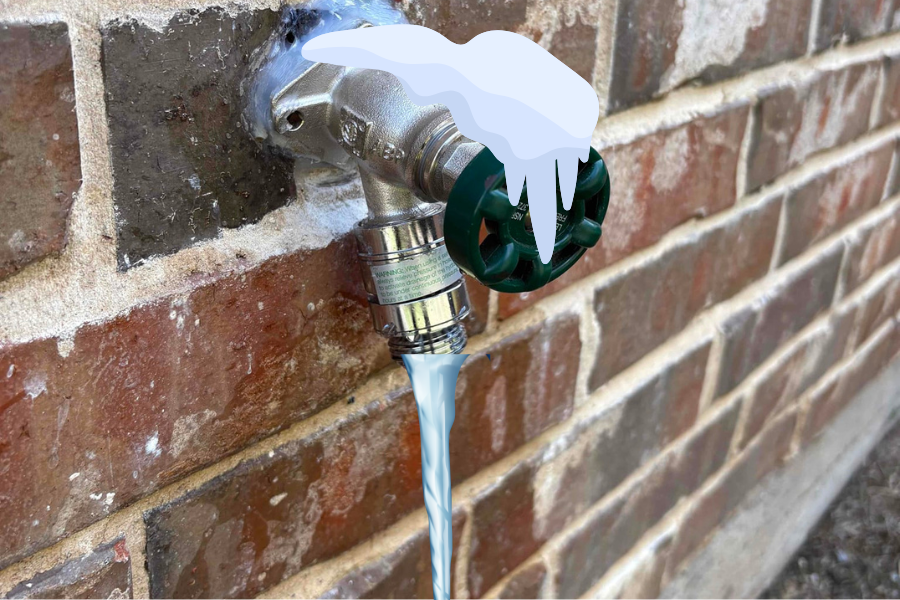
- Frost on Pipes
- Unusual Sounds
- Bulging Pipes
Immediate Steps to Thaw Frozen Pipes
If you suspect a pipe has frozen, don’t panic. Here’s what to do:
- Turn on the Faucet – Open the frozen pipe’s tap to relieve pressure and allow melted water to flow.
- Locate the Frozen Section if possible to see – Check for frost, bulging, or pipe condensation.
- Apply Heat Gradually – Use a hair dryer, heating pad, or space heater to thaw the pipe gently. Start near the faucet and work your way toward the frozen area.
- Keep the Heat On – Continue applying heat until water flows freely. Never use an open flame, as it can damage pipes or start a fire.
- Watch for Leaks – Inspect for cracks or small leaks indicating pipe damage once thawed.
Call CW Service Pros immediately if you notice damage. Our expert, licensed, and insured plumbers provide 24/7 emergency service to prevent further home damage.
Preventing Frozen Pipes Before Winter Hits
Avoiding frozen pipes is easier (and cheaper) than dealing with water damage later. Use these proactive steps to protect your plumbing before temperatures drop:
Insulate Exposed Pipes
Pipes in attics, garages, and exterior walls are the most vulnerable. Insulate them with foam sleeves or wrap to reduce freezing risk.
Keep Your Home Warm
Going on vacation? Leave your thermostat at a minimum of 55°F. Additionally, open cabinet doors in kitchens and bathrooms to allow warm air to circulate plumbing.
Drip Your Faucets in Extreme Cold
A slow drip from indoor faucets helps prevent pipes from freezing by keeping water moving.
Protect Outdoor Faucets
Disconnect garden hoses and drain outdoor faucets before freezing temperatures arrive. You can also install insulated faucet covers to add an extra layer of protection.
Help! What Should I Do If a Pipe Bursts?
A burst pipe can lead to extensive water damage, but acting fast can minimize the impact. Here are the steps you should follow:
- Shut off the water supply.
- Call CW Service Pros for fast, same-day emergency plumbing service.
- Document the damage by capturing pictures for insurance claims.
- Start drying immediately – Use fans, dehumidifiers, and towels to prevent mold growth. If there is excessive water, have a water restoration company come help you get it cleaned up quickly.
FAQs
How can I tell whether a pipe is frozen or the water supply is interrupted?
Check other fixtures and any water-provider notices. A trickle or loss of flow at particular fixtures during freezing weather can suggest a frozen section, but it does not confirm the cause. Avoid dismantling plumbing to investigate.
Do all frozen pipes burst?
No. Freezing can damage plumbing, but a frozen pipe does not automatically mean it has burst. Watch for leakage as temperatures rise and water flow returns, and have suspected damage assessed.
Should I leave the faucet open while thawing a frozen pipe?
For an accessible pipe being thawed safely, the American Red Cross recommends keeping the affected faucet open so melting water can flow. If you discover leakage or damage, stop and arrange professional help.
Can I use a blowtorch to thaw a frozen pipe?
No. Never use a blowtorch or another open-flame device. The American Red Cross warns against these methods because of fire and other hazards. Call a plumber if the section is inaccessible or cannot be thawed safely.
What should I do if the frozen pipe is inside a wall?
Do not cut into the wall or apply uncontrolled heat to find it. Contact a plumber to investigate the affected section. If you notice water escaping, isolate the water supply when safe and keep clear of affected electrical equipment.
Does restored water flow mean the pipe is undamaged?
Not necessarily. Check accessible areas for dripping, dampness, or other signs of leakage after thawing. Arrange assessment if anything appears abnormal, particularly where the suspected frozen section is concealed.
Contact CW Service Pros Today!
Texas winters can be unpredictable, but your plumbing doesn’t have to suffer. If you need emergency plumbing help, insulation upgrades, or winterization services, CW Service Pros is here!
- Live 24/7 phone support: Speak to a real person anytime, day or night.
- Same-day service guarantee: Fast response times to prevent further damage.
- Transparent pricing & no hidden fees: You’ll always know the cost before we start.
- Gold Membership benefits: Priority service, discounts, and annual maintenance checks.
Call CW Service Pros today or book an appointment online to protect your home from winter plumbing disasters!