
3 Essential Elements of Choosing a New Kitchen Faucet
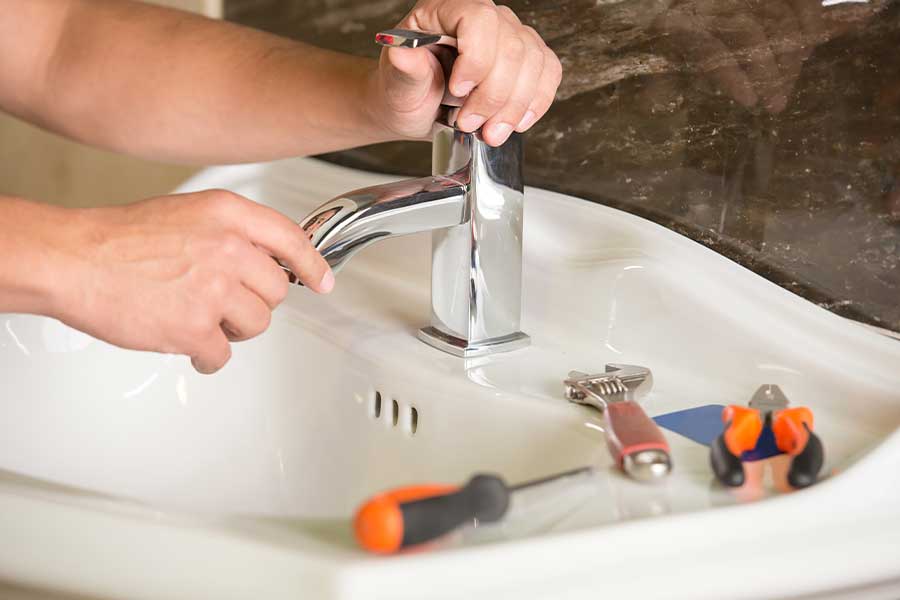

New Kitchen Faucet (Photo credit: elizabeth aja)
Whether or not you consider yourself a cook, your kitchen faucet is always there for you. From rinsing pasta to washing dirty hands, you rely on it. But maybe it’s not working quite the way you want. Or the faucet you chose 15 years ago is looking a little outdated. So, how do you choose a new kitchen faucet that will work for you? Here are a few things to consider:
Sink
Unless you’re planning to remodel your sink, it’s going to be easiest to work with the sink you already have. That means you’re going to want to be focus on faucets that fit into the configuration of your existing sink (i.e. if you have a three-hole sink, you should be looking at three-hole faucet sets). While you’re checking out new options, think about how you use your sink: if you cook for many people and frequently use large pots and pans, you’ll want a higher spout; if you have children who are known for making messes, you’ll want a durable finish on your new faucet. In the end, if you think that you really want to add another hole to your faucet configuration—say, for a spray attachment—don’t feel discouraged. It can be done!
Finish
When choosing your faucet’s finish, there are a lot of options to consider—from brass to chrome to bronze and more! Solid brass is generally the most recommended since it’s bound to last for years, but other choices have their advantages as well. Chrome, for instance, is both beautiful and cost-effective, while bronze can lend an appealingly rustic look, and nickel can come across as very chic and contemporary. Whatever finish you prefer, you should make sure the specific faucet you choose has been coated via PVD (physical vapor deposition), a process that exponentially increases a faucet’s scratch resistance and durability. And, of course, it should compliment the style of your home!
Features
Your kitchen sink should be practical, but it doesn’t have to be boring. Faucet technology has come a long way over the years, so you should make sure your faucet comes with the features you want. Indeed, kitchen faucets today have the ability to pause water flow, control the volume of spray, and even filter your water as it leaves the spout (helping you save tons of money on bottled water). If you find yourself often using your faucet with your hands full, you also might want to consider battery-powered one-touch or hands-free faucets. Bottom line: don’t assume you have to choose an old fashioned faucet that simply drips out water. If you do a little research, you’re bound to find a faucet that works wonders for you!
FAQs
What should I look for when choosing a kitchen faucet?
Consider the faucet’s mounting type, size, spout reach, handle configuration, finish, features, water flow, and compatibility with your existing sink and plumbing.
Are pull-down or pull-out kitchen faucets better?
Neither is universally better. Pull-down models can be convenient for larger sinks, while pull-out faucets can work well where a lower-profile design or greater spray-head movement is preferred.
How do I know if a new faucet will fit my kitchen sink?
Check the number and spacing of mounting holes in your sink or countertop and compare them with the faucet manufacturer’s installation requirements.
Should I repair or replace my kitchen faucet?
A minor problem may be repairable, while significant corrosion, repeated leaks, damaged components, or frequent repairs may make replacement a better option.
Can I install a kitchen faucet myself?
Some homeowners may be comfortable handling a straightforward faucet replacement, but professional installation can be helpful when connections are difficult to access, components are corroded, or plumbing modifications are needed.
How long does a kitchen faucet usually last?
The lifespan varies based on faucet quality, materials, water conditions, usage, and maintenance. Persistent leaks, corrosion, or deteriorating performance can indicate that repair or replacement should be considered.