How to Shower When Your Water Heater Is Broken
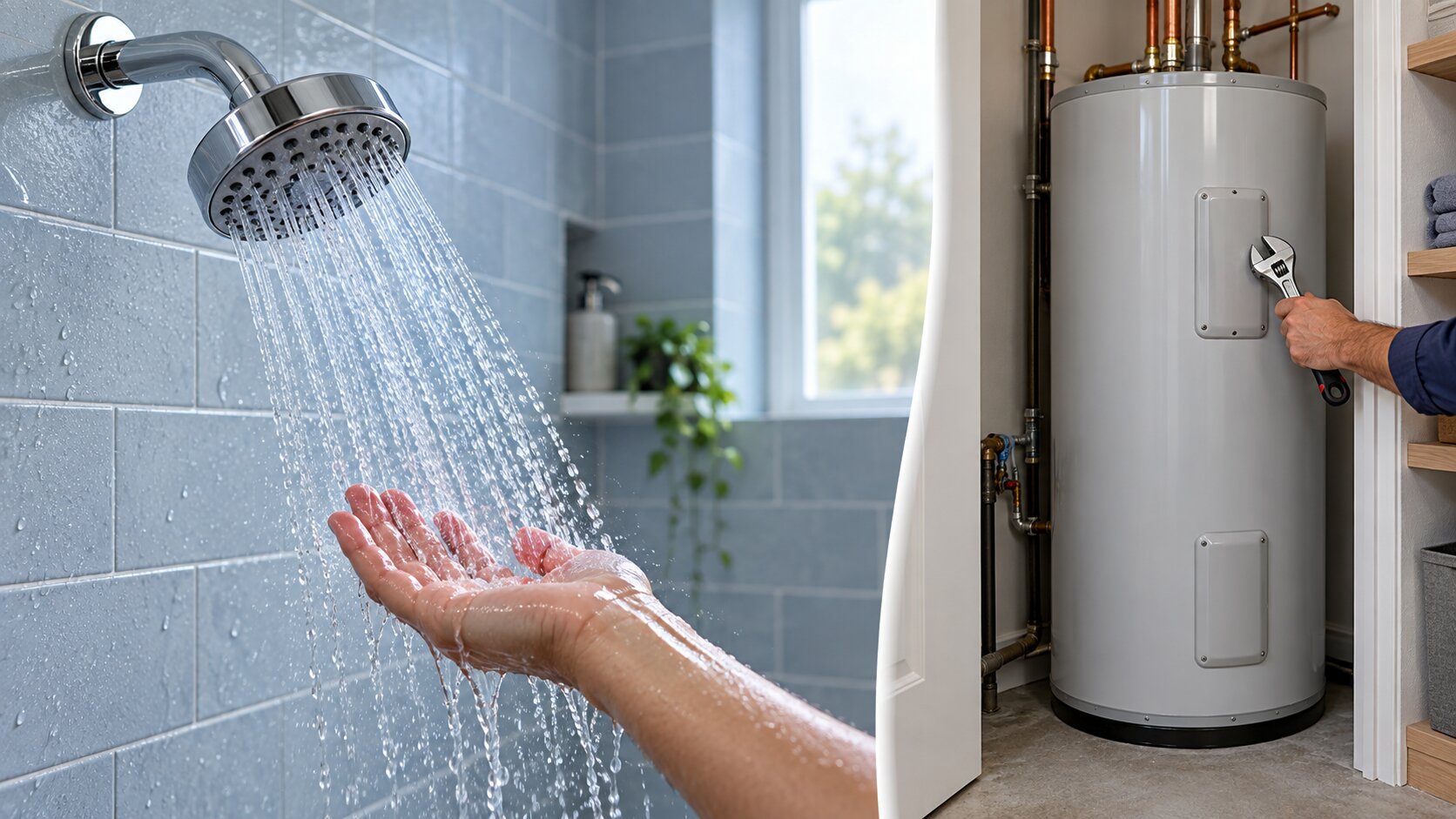
A hot water heater that doesn’t work can be a nightmare, especially when it’s cold outside. Thankfully, there’s a way that you can take a hot bath. Boil a pot of water, and fill your tub with two inches of cold water. Pour a quarter of the boiling water into it, and then pour some of it in a pitcher. Add cold water to the pitcher to make it warm, and pour it over yourself. Later on, use the pot to make the water hot again.
A broken water heater can quickly turn a normal shower into an unexpected challenge. Whether the unit stops heating completely or suddenly produces only cold water, losing hot water is inconvenient. The good news is that you can manage the situation temporarily while determining whether the water heater needs repair or replacement.
Check the Water Heater First
Before finding an alternative way to shower, check whether the problem is something simple. For an electric water heater, look at the circuit breaker to see whether it has tripped. Gas water heaters may have issues with the pilot light or other components that prevent the unit from heating water.
Avoid taking apart gas connections or attempting electrical repairs if you are not qualified. A professional plumber can diagnose the system and determine whether a component can be repaired or whether the unit has reached the end of its useful life.
How to Shower Without Hot Water
If you need to shower before the water heater can be fixed, you can create a temporary supply of warm water. Heat water in a large pot or suitable container, then carefully mix it with cold water until it reaches a comfortable temperature.
Instead of pouring boiling water directly onto your skin, use a pitcher or smaller container to apply the warm water gradually. Test the temperature before using it, especially around sensitive areas.
Another option is to fill a bathtub or large basin with a small amount of cold water and carefully add heated water. This can provide enough comfortably warm water for washing without requiring a functioning water heater.
Stay Safe While Heating Water
Safety should come first when dealing with a broken water heater. Never carry an uncovered container of boiling water through the home if it can be avoided, and keep hot containers away from children and pets.
You should also avoid using portable heating equipment in wet areas unless it is specifically designed and safely positioned for that environment. Water and electricity can create serious hazards, so keep electrical devices away from sinks, tubs, and shower areas.
Know When Professional Help Is Needed
A lack of hot water may be caused by a failed heating element, thermostat, gas component, sediment buildup, leak, or another water heater problem. In some situations, repairs can restore performance, while an older or severely damaged unit may be a better candidate for replacement. CW Service Pros notes that issues such as inconsistent temperatures, leaks, unusual noises, and insufficient hot water can indicate water heater problems.
If water is leaking around the unit, shut off the appropriate water or energy supply when it is safe to do so and seek professional assistance. A significant water heater leak can cause property damage and should not be ignored.
Keep Your Hot Water System Reliable
Regular water heater maintenance can help identify developing problems before they leave your household without hot water. Professional inspections can uncover sediment buildup, loose connections, leaks, worn components, or other issues that affect performance.
A temporary warm-water solution can help you get through an unexpected breakdown, but it should not replace proper diagnosis. If your water heater is no longer providing reliable hot water, professional evaluation can help determine the safest and most practical next step.
FAQs
Can you shower when your water heater is broken?
Yes. You can still shower, but the water may be cold unless you have another source of heated water. Take precautions to avoid discomfort and scalding when using heated water.
How can I take a warm shower without a working water heater?
You can heat water separately and mix it with cooler water to reach a comfortable temperature. Always test the temperature before using it.
Why does a broken water heater cause cold water in the shower?
A water heater that has a failed heating element, gas component, thermostat, or another internal problem may no longer heat incoming water properly. CW Service Pros notes several components that can cause a water heater to stop producing sufficient hot water.
Is it safe to use a broken water heater?
It depends on the problem. If you notice leaking water, unusual noises, electrical issues, a gas smell, or signs of a serious malfunction, avoid DIY repairs and contact a qualified professional.
When should I call a plumber for a broken water heater?
Call a professional when the heater stops producing hot water, leaks, makes unusual noises, repeatedly fails, or shows signs of a serious component problem. A professional inspection can determine whether repair or replacement is appropriate.
Conclusion
A broken water heater can make a simple shower unexpectedly difficult, but temporary solutions can help you stay comfortable while you address the problem. Carefully heating and mixing water can provide a short-term option, but safety should always come first. If your water heater is leaking, producing unusual sounds, failing to heat water, or repeatedly losing performance, professional evaluation can help identify the underlying issue and prevent further damage.
If your home is suddenly without reliable hot water, CW Service Pros can help identify the cause and determine the right solution.