The Big, Hot Kaboom: How to Avoid a Water Heater Rupture

Whether you need hot water to wash dishes or take showers, your household water heater is a vital commodity. So what happens if something goes wrong? It’s bad enough if your water heater were to simply stop working, leaving you without hot water until you can have it repaired, but things could be far worse. Did you know that, if not properly cared for, you could experience a water heater rupture? Here are some helpful tips to protect yourself and your home from this plumbing disaster.
1. Drop the temperature.
A safe temperature for your water heater is between 120 and 130 degrees Fahrenheit. If it’s higher than that, you should reduce it to a safer level. Not only does this reduce the risk of damage to the heater itself, it also protects you from potentially scalding water.
2. Check the valves.
Your water heater may have a T&P (temperature and pressure) relief valve, used for regulating its temperature and pressure. If this valve fails, the pressure in your water heater could reach dangerous levels, creating a great risk of water heater rupture. If you notice the pressure gauge on your water heater is displaying a high reading, turn off the heater, and get in touch with a professional. It’s also wise to test the valve regularly by flipping the lever and checking that it releases some water before automatically resetting.

3. Be aware of gas leaks.
Not only can gas leaks be costly as time goes on, they are also extremely dangerous. A small spark where there has been a build-up of gas can cause a devastating explosion. If you smell gas or hear a hissing noise in the vicinity of your water heater, turn off your gas at the main supply, and seek professional help immediately.
4. Avoid skimping on repairs.
When something goes wrong, it can be tempting to fix it yourself, especially if it looks like a simple job. However, water heaters can be delicate and temperamental, so it’s always advisable to have the work done by an water heater repair technician. This saves you from risking damage to your heater and potentially costly future malfunctions.
5. Arrange an annual tune-up.
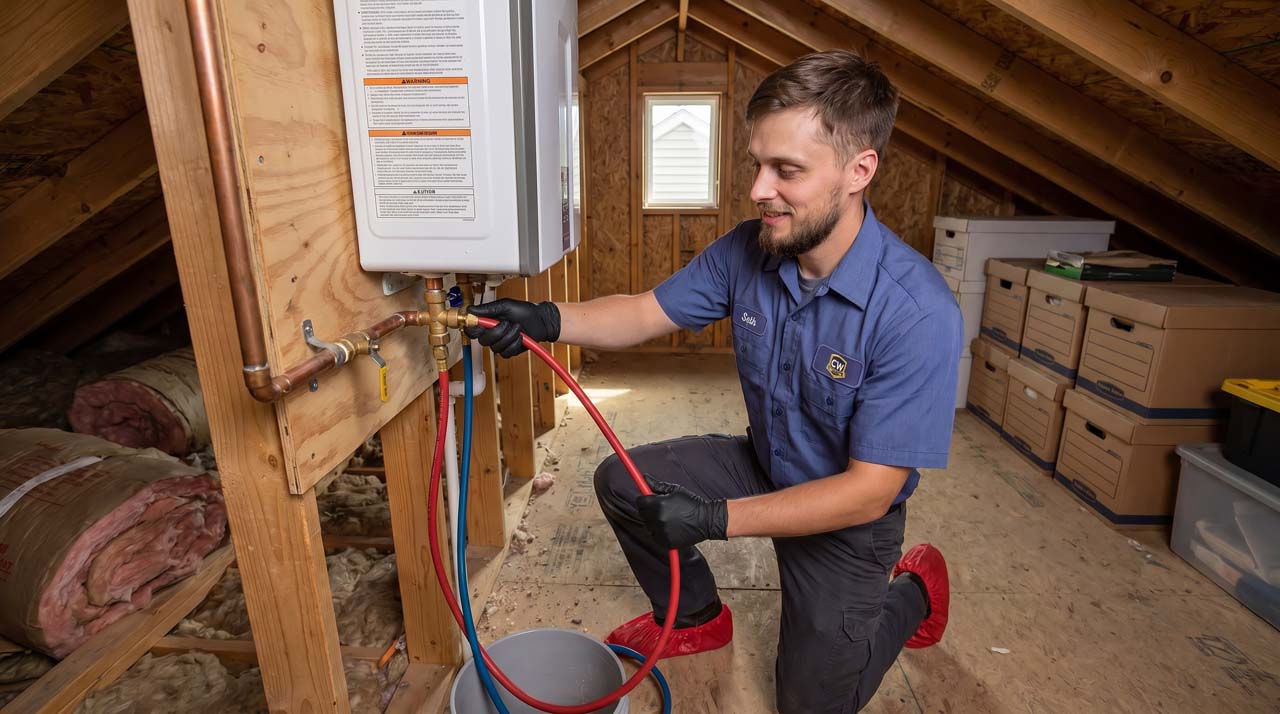
Finally, getting your water heater checked and tuned up once a year is an excellent way to ensure it remains in good condition. A plumber can check for leaks and test all the valves and safety mechanisms to ensure everything is in good working order.
Avoid a Water Heater Rupture!
Following these simple steps is not only a good way to protect yourself from a costly and dangerous water heater rupture, but they can also save you money. By checking that your heater is working safely and efficiently, you reduce the likelihood of developing expensive gas and water leaks or excessive wear and tear to the heater itself.
FAQs
Can regular maintenance guarantee that a water heater will not rupture?
No. Maintenance can help identify deterioration and operating problems, but it cannot guarantee against failure. Follow the equipment’s maintenance instructions and address warning signs promptly.
What does the T&P relief valve do?
It releases water when temperature or pressure reaches its activation limits. It is a safety device and should not be treated as the system’s normal operating control.
Does a dripping relief valve always need replacement?
Not necessarily. Discharge can result from pressure, thermal expansion, temperature problems, or valve issues. Have the cause assessed before replacing parts.
Does every water heater need an expansion tank?
The appropriate expansion-control arrangement depends on the plumbing system and applicable requirements. A plumber can assess whether the system is closed and whether its existing protection is adequate.
Will lowering the temperature prevent every water-heater problem?
No. A lower setting can reduce scald risk, but it does not correct tank deterioration, defective controls, or pressure-related problems.
What should I do if I smell gas near my water heater?
Leave immediately without investigating further. Call 911 and your gas utility from a safe location, and follow their instructions.