Preparing Your Home for Freezing Temperatures
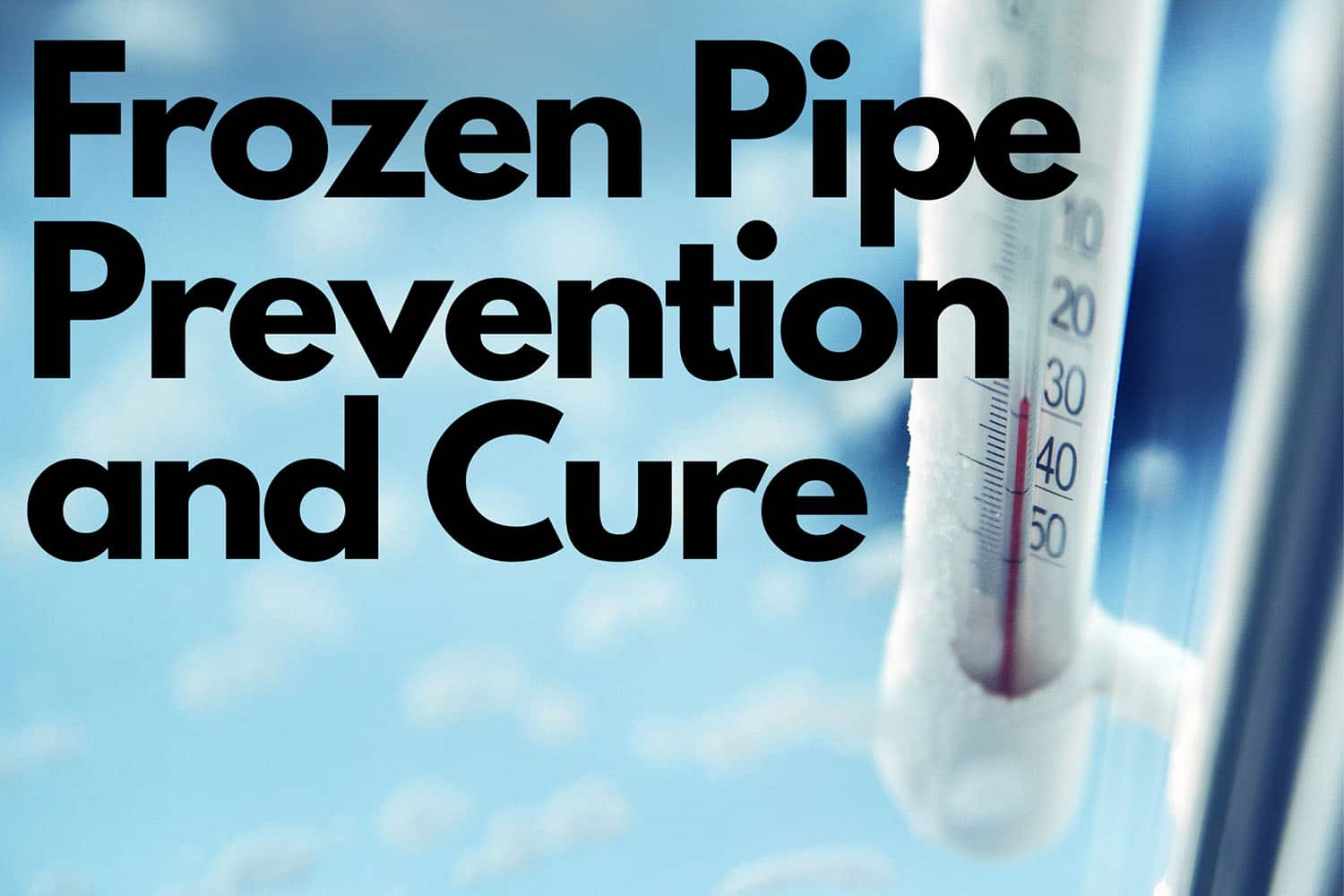
Winter weather in North Texas can be extreme and can often cause problems in the home. Freezing temperatures and ice build-up can cause plumbing difficulties, but with a little preparation you can prevent some inconvenient and expensive complications!
What to do to prepare for winter weather
- Disconnect all outside hoses and insulate outside faucets with Styrofoam covers or wrap towels or newspapers around outside faucets and secure with duct tape or rubber bands.
- Locate your home’s water shut off valve and verify if you have access to it. If not, keep your utility company’s phone number and your city’s non-emergency phone number available should you need to shut your system down.
- Keep heat to any plumbing on outside walls as warm as possible. Open cabinet doors to allow heat into areas under cabinets and turn inside faucets on to a slow stream. For garage and attic areas, a space heater can be used to keep the areas warmer if it can be used safely and is not near combustibles.
How to know if you have a frozen pipe?
If you stop getting water flow out of a fixture within your home but you don’t see water leaking anywhere water within the pipe is most likely frozen.
What do I do if I suspect I have a frozen pipe in my house?
- Don’t panic. If you aren’t seeing any water in your home, the water in the pipe may be frozen but it doesn’t necessarily mean the pipe is broken.
- Get heat to the area. If you suspect the water within a pipe is frozen. Try to get as much heat as possible to the area-open cabinet doors, open faucets to allow air flow into the pipe, use a space heater or hair dryer to heat the area.
- Be patient and watch. While the pipe is frozen, wait for the ice to melt. Keep in mind that once the ice melts, if a broken pipe exists, that is when the water will begin to flow and can cause flooding. As temperatures raise, keep an eye on areas that were frozen and watch for water leaking. In most cases, if you are able to keep the area warm and some pressure off of the pipe when frozen, the ice will thaw naturally and not cause any harm to your home.
- If a leak is found after the area thaws, turn off water at your home’s shut off valve. If you are unable to access the valve box, your utility department, city’s non-emergency department, and local plumber can turn off the water.
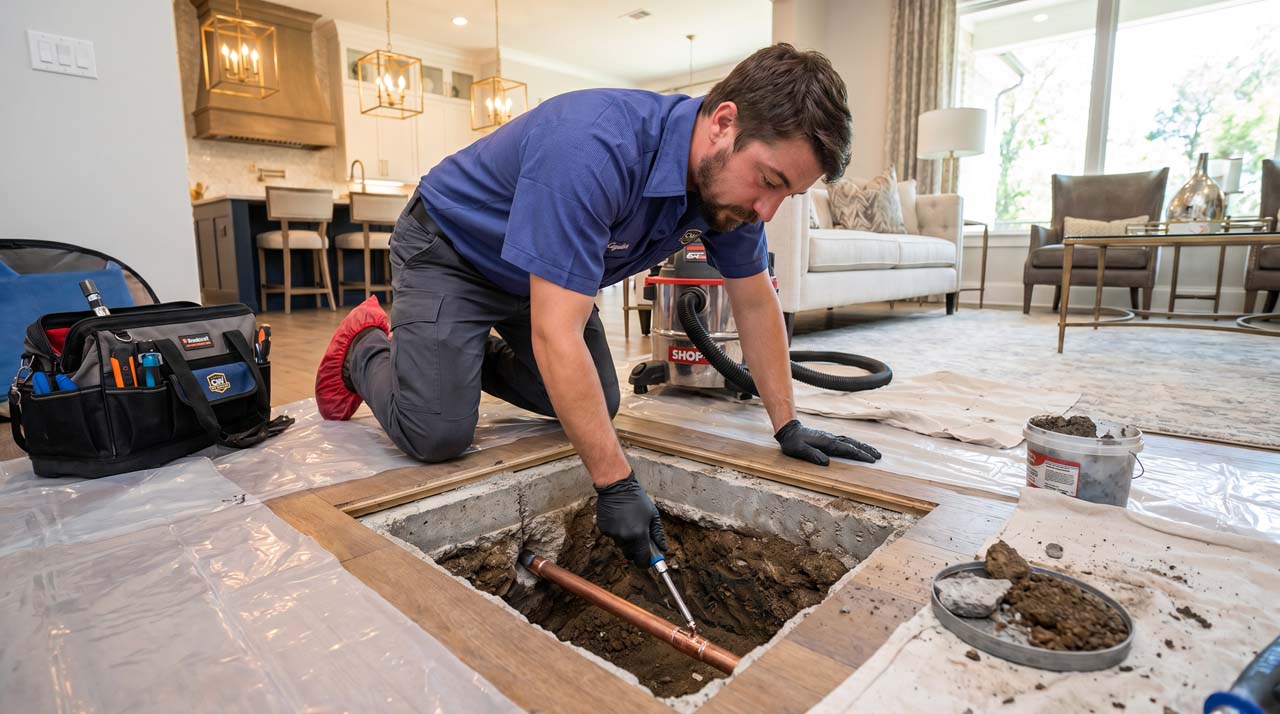
- Call your local CW Service Pros plumber to repair broken pipes.
FAQs
When should I prepare my plumbing for freezing temperatures?
Complete protection before forecast freezing weather arrives. Prioritize exposed outdoor pipes and plumbing in unheated or poorly protected spaces.
Should I disconnect garden hoses before a freeze?
Yes. Disconnect hoses and use suitable insulated covers on outdoor faucets. Check exposed pipes and vulnerable plumbing in unheated areas as well.
Does no water from a faucet always mean the pipe is frozen?
No. Check whether other fixtures work and whether your utility has reported an interruption. During freezing weather, a loss of flow from vulnerable plumbing may indicate freezing and warrants investigation.
Why should the affected faucet remain open during thawing?
It allows water to flow as ice melts. Do not force a stuck faucet or continue if you discover damage or cannot safely access the pipe.
Can I use a torch to thaw a frozen pipe?
No. Never use a blowtorch or another open-flame device. Contact a plumber if the frozen section is inaccessible or safe thawing is not possible.
Can I leave a space heater running overnight to protect pipes?
No. CPSC advises switching portable heaters off before sleeping. Arrange a safer, property-specific protection plan for vulnerable plumbing instead.