
Don’t Go Down the Drain: A Homeowner’s Guide to Clear Pipes and a Happy Home
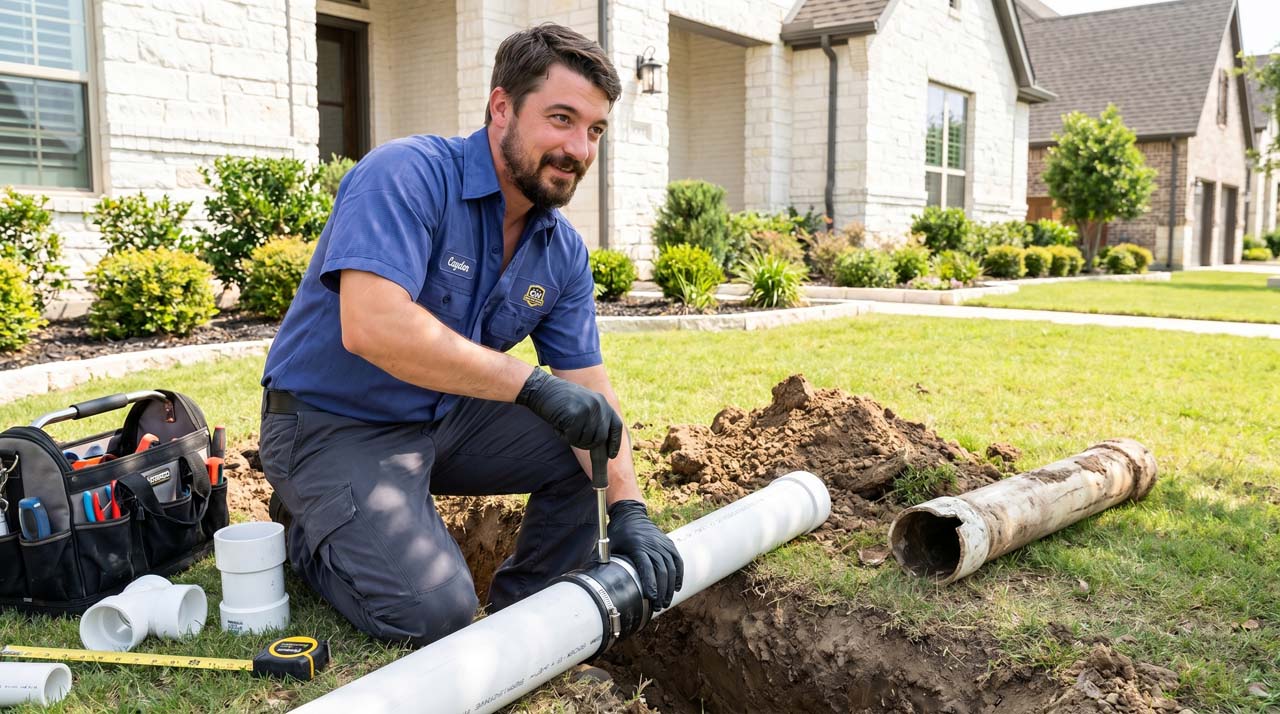
A gurgle here, a slow drain there – these are the subtle whispers that your home’s plumbing might be heading for a full-blown drain blockage. A drain snake is not just an inconvenience; they can lead to unpleasant smells, water damage to your property, and even costly repairs if left unaddressed quickly. But the good news is, with a little knowledge and the assistance of our Homeowner’s Guide to Clear Drains and a Happy Home will walk you through how to clean your home drains, keep them clear, and know when it’s time to bring in the CW Service Pros Plumbers.
The Culprits: What’s Clogging Your Drains?
Before we dive into solutions, let’s understand the common enemies of clear drains:
- Kitchen Sinks: Grease, food scraps (like orange or lemon peels and egg shells or bread), coffee grounds, and soap scum are the usual suspects here.
- Bathroom Sinks & Showers: Hair, soap residue, toothpaste, and condensate lines with growth and rust or other “girl goo” like lotions and hairsprays.
- Toilets: Excessive toilet paper, “flushable” wipes (never use these wipes for seniors or disabled people), dental floss and kid’s toys are the primary offenders.
Your Drain-Clearing Repository of DIY Methods
For minor clogs, you may be able to clear them yourself with readily available tools and techniques, and an abundance of patience.
1. The Baking Soda and Vinegar Volcano with a Boiling Water Chaser (Kitchen & Bathroom Sinks)
A classic for a reason, this natural method creates a fizzy reaction that can help break down minor clogs that include grease and soap buildup.
- How To:
- Pour 1/2 cup of baking soda down the drain.
- Follow with 1/2 cup of white vinegar.
- Immediately cover the drain with a stopper or rag to contain the fizzing reaction.
- Let it sit for 30 minutes to an hour (or even overnight for tough clogs).
- Flush with hot water boiling water.
- Repeat a few times if necessary.
- Why it Works: The chemical reaction creates bubbles and pressure that can dislodge gunk and the hot water disolves build up on the walls of the pipes.
- Resource: For more details on this method, check out this guide from The Spruce: How to Unclog a Drain With Baking Soda and Vinegar.
- Important Note: Do NOT use boiling water if you have PVC pipes that are old or known to be delicate, or if you suspect a completely blocked drain with standing water, as this could cause pressure buildup.
2. The Trusty Plunger (Sinks, Tubs, and Toilets)
A well-used plunger is an invaluable tool for creating suction and pressure to dislodge clogs. Every home should be equiped with a plunger and know how to use it correctly.
- How To:
- Ensure there’s enough water in the sink/tub/toilet to cover the plunger’s cup.
- Create a tight seal around the drain opening.
- Plunge vigorously up and down for about 20-30 seconds.
- Break the seal and see if the water drains. Repeat if necessary.
- Product Suggestion: For a good all-around plunger, consider something like the OXO Good Grips.
3. Drain Snakes/Augers (All Drains)
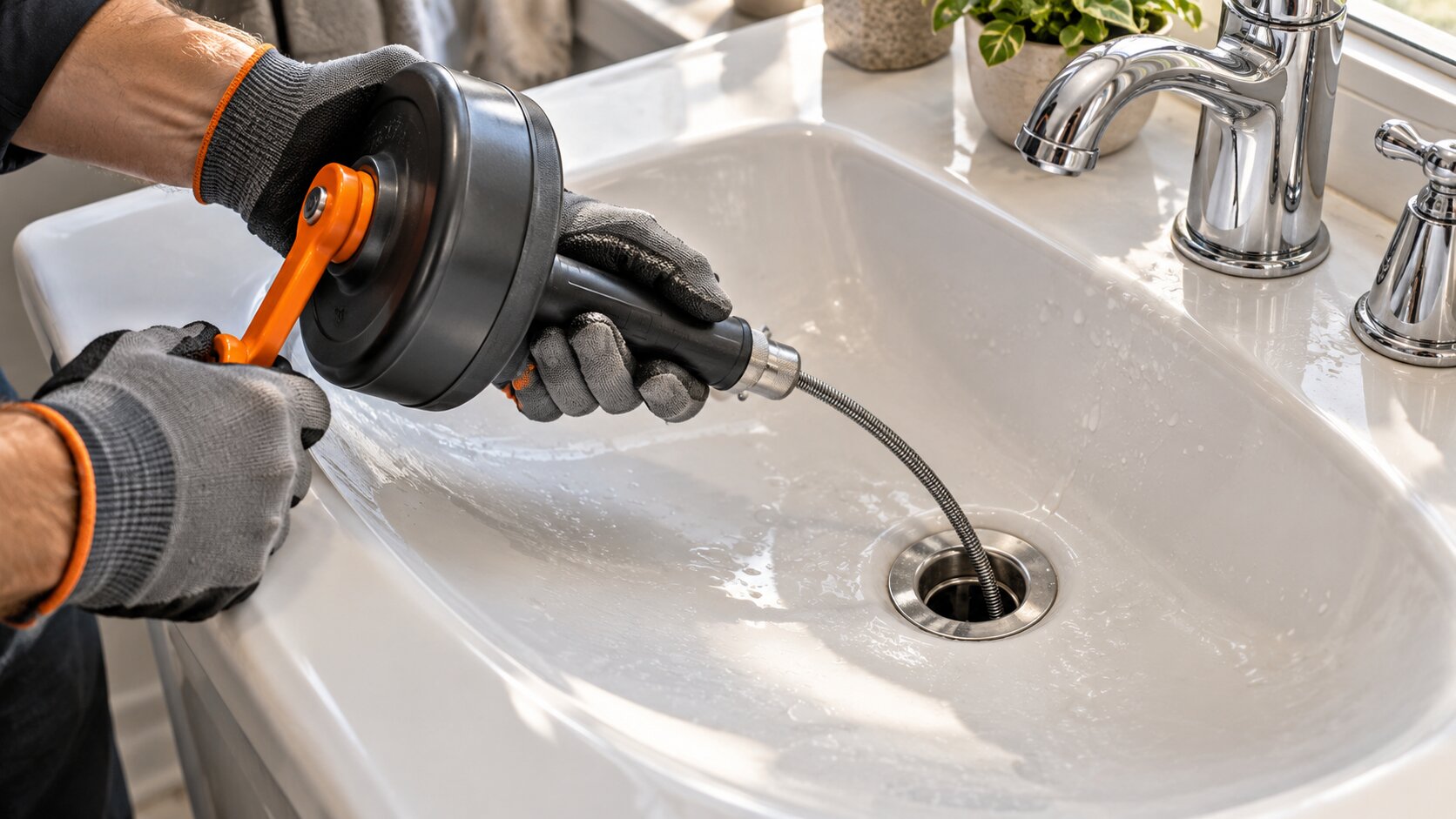
When plungers aren’t enough, a drain snake (also called an auger) can physically retrieve or break up clogs. These come in various lengths and designs, from simple handheld models to more robust options like drill operated ones or snakes that your local plumber will use.
- How To (Handheld Snake):
- Feed the snake slowly down the drain, pushing gently until you meet resistance.
- Twist the snake as you push to help it navigate bends and grab the clog.
- Once you feel the clog, gently pull the snake back, hopefully bringing the debris with it.
- Repeat this process until you either can’t go down the drain further or you are no longer hitting resistance.
- Flush with hot water.
- Product Suggestion: A basic handheld drain snake is a good starting point for homeowners. Look for one with a comfortable grip and sufficient length.
- Resource: For a comprehensive guide on using a drain snake, consult this article from This Old House: How to Use a Drain Snake
Prevention is Key: Keeping Drains Clear
The best way to deal with clogs is to prevent them in the first place!
- Use Drain Screens/Strainers: These inexpensive tools are incredibly effective at catching hair, food particles, and other debris before they enter your pipes.
- Product Suggestion: Look for stainless steel drain strainers for durability. Amazon Link: (Note: This is an example, actual product availability and best options may vary on Amazon.)
- Proper Waste Disposal:
- NEVER pour grease down the drain. Let it cool and solidify, then scrape it into the trash.
- Scrape food scraps into the trash before washing dishes.
- Avoid flushing anything other than toilet paper down the toilet. This includes “flushable” wipes, paper towels, and other hygiene products.
- Regular Flushing: Once a week, flush your drains with hot water, especially in the kitchen, to help clear any minor buildup.
- Enzyme Drain Cleaners (For Maintenance Only-Not for Clogs): These products use beneficial bacteria to break down organic matter in your pipes. They are not for clearing existing clogs but can be excellent for preventative maintenance. If you have a septic tank these drain aids will help save you money by breaking down the waste in the tank thereby making it necessary to pump the tank less often. Resource: The EPA offers excellent resources on proper waste disposal to protect your plumbing and the environment: What Not to Flush
- Product Suggestion: Brands like Bio-Clean or Green Gobbler Enzyme Drain Cleaner are popular choices. Contact CW Service Pros to purchase your Bio Drain Cleaner.
- Important Note: Avoid chemical drain cleaners that contain harsh chemicals like lye or sulfuric acid. While they can clear clogs, they are corrosive, can damage pipes (especially older ones), and pose a significant safety risk. When a drain is stopped up, these chemicals can not only damage the pipes but become a safety hazard due the the dangerous fumes they emit and the corrosive nature of them if they splash on a person’s skin or in their eyes.
When to Call a Professional Plumber
While DIY methods are great for minor issues, there are times when you absolutely need to call in a professional. Ignoring these signs can lead to more significant damage to your home and expense to your pocketbook:
- Persistent Clogs: If you’ve tried multiple DIY methods and the drain remains stubbornly clogged.
- Multiple Clogged Drains: If several drains in your home are slow or clogged simultaneously, it could indicate a deeper problem in your main sewer line or in the city’s sewer line.
- Foul Odors: Persistent sewage smells coming from drains could signal a clog or a broken pipe in your sewer system. Smells can be hard to find and fix but your plumber can smoke test your system and locate the source of the issue.
- Gurgling Noises from Other Drains/Toilets: When flushing one fixture causes gurgling in another, it often points to a main line issue.
- Water Backing Up: If water backs up into sinks, tubs, or toilets, especially after flushing or using an appliance, it’s a strong indicator of a serious blockage.
- Drainage Issues After Rain: If your drains act up after heavy rain, it suggests issues with your main storm drains and you may need to contact an irrigation company to repair or replace a french drain or storm drain.
- No Experience/Confidence: If you’re uncomfortable with DIY methods or unsure about the cause of the clog, it’s always best to error on the side of caution and call a CW Service Pros Plumber.
Don’t hesitate to reach out to your local hometown hero at CW Service Pros Plumbing, Heating & Air Conditioning if you experience any of these more severe drainage symptoms. Armed with specialized equipment (like large augers, hydro-jetters, and video inspection cameras) to diagnose and resolve complex drain issues like drain cleaning, garbage disposal repair and installation, sewer line repair, safely and effectively 24/7 hours a day! They are your emergency drain plumbing heros!
By following these tips and knowing when to call in the cavalry with the heavier artillary, you can keep your home’s drains clear, healthy, and be happy for years to come!
Frequently Asked Questions
When should I use a drain snake instead of a plunger?
A drain snake may help when a plunger can’t clear a minor blockage. Its flexible cable reaches into the pipe to retrieve debris or break up an obstruction beyond the drain opening.
Does resistance mean my drain snake has reached the clog?
Not always. Resistance can come from a pipe bend or a blockage. Avoid forcing the cable forward. Follow your tool’s operating instructions, and stop if the cable binds or becomes difficult to control.
Can using a drain snake incorrectly damage my plumbing?
Yes. Using an unsuitable tool or excessive force can damage plumbing or kink the cable. Choose a snake rated for the drain’s size and application, and follow the manufacturer’s instructions.
Why is my drain still slow after snaking it?
The snake may have removed only part of the obstruction, or buildup may remain farther along the pipe. Persistent slow drainage deserves a professional assessment, especially if the problem returns quickly.
How can I prevent another clog after clearing the drain?
Use drain strainers to catch hair and food scraps, and clean them regularly. Keep grease, coffee grounds, wipes, and other unsuitable waste out of your drains to reduce recurring blockages.
When should I stop snaking a drain and call a plumber?
Stop if the cable becomes stuck or repeated attempts fail. Multiple clogged fixtures, sewage odors, or water backing up also warrant professional attention because the issue may extend beyond a single drain.