Attic Water Heater in Texas Might Be a Problem and Quit on a 100-Degree Texas Day
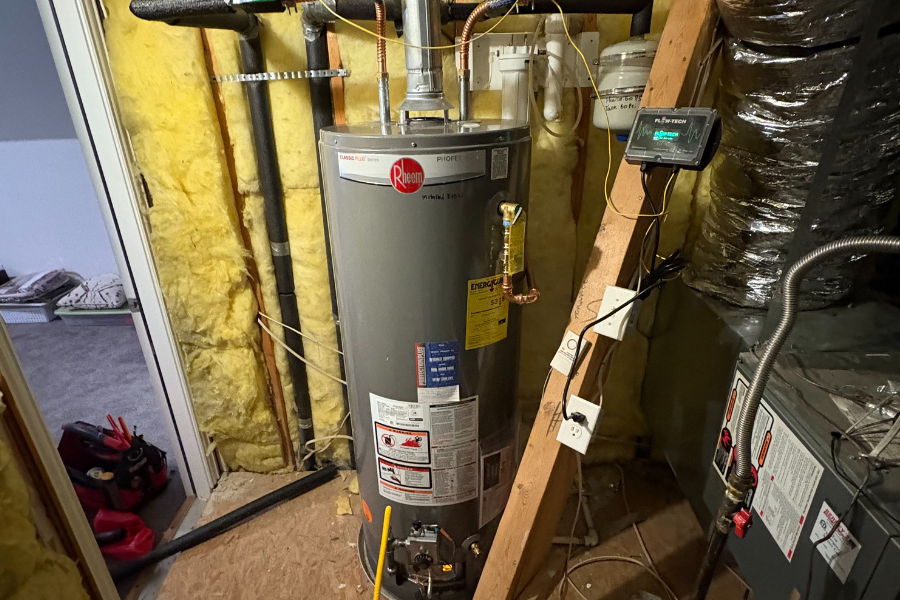
In Texas, it’s not unusual for temperatures to climb over 100°F in the summer—but your attic can get even hotter, reaching 140°F to 160°F or more. If your water heater is located in the attic, when temperatures reach 100-Degrees in Texas, that kind of heat can cause your water heater to quit working.
Here’s a breakdown of the most common reasons your attic water heater might go out during a heatwave, and what you can do about it.
1. Built-in Overheat Protection Shuts It Down
Modern water heaters (especially electric ones) come with high-limit switches and thermal cutoffs. These are safety devices designed to shut the unit down if it detects excessive heat.
When your attic hits 140°F, the heater might mistake the external heat for an internal malfunction—and shut off to protect itself.
???? 5 Reasons Why Your Pilot Light Keeps Going Out
2. Electronics and Sensors Fail from Excessive Heat
Water heaters contain thermostats, gas valves, and control boards that are only rated to operate within a specific temperature range—usually up to 120°F.
When these components are exposed to 140°F+ attic temps day after day, they can malfunction or fail entirely.
???? Real-world examples show this common reasons water heaters fail. Read more.
3. Poor Attic Ventilation Impacts Gas Heater Performance
Gas water heaters need proper airflow for combustion and venting. When attics are super-heated and sealed up, the flue gases can’t draft properly, or the flame sensor may shut things down due to safety risks.
???? This is especially common with pilot lights going out in summer.
???? Check out these Most Common Water Heater Problems.
4. The Attic Itself Is Just Too Hot
A hot attic doesn’t just affect your water heater—it affects everything inside it. At 100°F outside, your attic could be 140°F–160°F inside.
That heat:
- Shortens component lifespan
- Increases fire risk
- Makes the heater work harder than it should
If you can, consider relocating the unit to the garage or a conditioned closet. If not, make sure your attic is properly insulated and ventilated.
5. The “Cold” Water Supply Isn’t Really Cold
In extreme heat, the incoming water from your city line can be over 90°F before it ever reaches your water heater.
That throws off thermostat readings and may result in lukewarm water even when the unit is functioning normally.
This won’t usually cause a shutdown, but it can confuse both customers and the unit’s controls.
6. No Expansion Tank or Pressure Relief
With high attic temps, hot water expands more than usual. If your water heater doesn’t have an expansion tank or the T&P valve is faulty, it can lead to dangerous pressure buildup.
While less common, this can cause:
- Water leaks
- Safety valve discharge
- Long-term damage or shutdown
What the Manufacturers Say
Most manufacturers warn against attic or outside installations unless the space is properly ventilated and insulated, especially after Snow-Meggedan in Texas. During that time, tankless units on outside walls and attics had internal parts freeze and break because they are installed in areas without enough heat to keep them working correctly. It was also discovered that the units did not have good ways to drain them and homeowners did not want to do this during that time because they did not like the inconvenience caused by not having hot water. When deciding where to place a water heater, builders put them in the attic due to their green energy rating requirements (which don’t take into account these un-air conditioned areas). However, in the long run, it is better to install a unit indoors or in an area that stays warmer and does not get alot of air movement removing hot air.
- Rheem has technical bulletins for installers explaining why attic locations need proper airflow and why pilots fail in extreme heat.
???? Rheem Tech Bulletin 1411 – Attic Ventilation and Pilot Outage
What You Can Do
✅ Improve Attic Ventilation
Make sure soffit vents, ridge vents, and/or fans are working properly.
✅ Insulate Around the Heater
Use heat-rated wraps or enclosures (without blocking airflow) to help shield it from attic temps.
✅ Install an Expansion Tank
Especially if you have a closed system or pressure-reducing valve on your main line.
✅ Schedule Preventative Maintenance
Have a licensed technician inspect your system annually—especially before summer.
Need Help with Your Water Heater?
If your attic water heater is in the attic and you are concerned it may quit when Texas heat hits 100-Degrees, don’t wait until it fails completely. Our licensed plumbers are trained to diagnose heat-related issues and offer safer, more reliable options—whether that’s improving attic ventilation or relocating your unit.
???? Call CW Service Pros today or book online at www.CWServicePros.com.
We’ll make sure your water heater keeps working—even when Texas turns up the heat.